
Protein Blotting Resources Essential Tools and References for Western Blotting
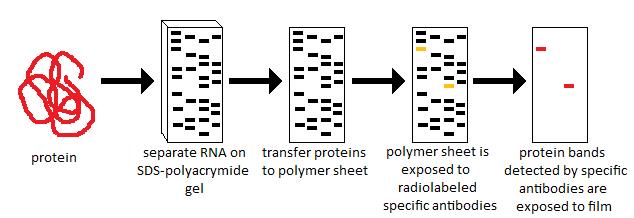
Protein blotting, commonly known as western blotting, is a critical technique in molecular biology and biochemistry for detecting and analyzing specific protein separation logic in complex samples. Successful western blot experiments require not only a clear understanding of the procedure but also access to reliable resources, including protocols, equipment, reagents, and troubleshooting guides. This article explores the key protein blotting resources that are essential for researchers at all levels.
1. Laboratory Manuals and Textbooks
High-quality laboratory manuals are among the most trusted resources for western blotting. They provide detailed protocols, background theory, and troubleshooting tips that are invaluable for both beginners and advanced users. Classic references include “Molecular Cloning: A Laboratory Manual” by Sambrook and Russell, which provides step-by-step instructions for protein separation, transfer, and detection. Similarly, “Current Protocols in Protein Science” offers comprehensive protocols for SDS-PAGE, blotting techniques, and antibody-based detection methods. Another useful reference is “The Protein Protocols Handbook” edited by John Walker, which includes methods for protein extraction, gel electrophoresis, blotting, and quantitative analysis. These manuals are considered foundational for understanding both the theory and practical aspects of protein blotting.
2. Online Protocols and Technical Guides
The internet provides a wealth of up-to-date protein blotting resources. Reputable biotechnology companies like Abcam, Bio-Rad, and Thermo Fisher Scientific host detailed online protocols and troubleshooting guides for western blotting. Abcam’s protocols, for example, cover every stage from sample preparation and gel electrophoresis to membrane transfer, blocking, antibody incubation, and visualization. Bio-Rad provides interactive tutorials for understanding protein separation, blotting, and imaging, along with tips for addressing common problems such as weak signals or high background. Thermo Fisher’s guides include both chemiluminescent and fluorescent detection methods and provide advice for optimizing antibody concentrations and exposure times. These online resources are invaluable for real-time learning and experimental planning.
3. Protein Blotting Tools and Hardware
Practical western blotting also relies on the right tools and hardware. Electrophoresis systems such as the Bio-Rad Mini-PROTEAN or Thermo Fisher wet transfer tanks are standard for protein separation and transfer. Blotting membranes, including nitrocellulose and PVDF, provide stable surfaces for protein immobilization. PVDF is particularly useful for hydrophobic proteins or when multiple reprobing steps are required. Detection systems such as chemiluminescent imagers, fluorescence scanners, or X-ray film developers are essential for visualizing protein bands accurately. Ensuring access to high-quality reagents, including SDS-PAGE gels, blocking agents, and validated antibodies, is equally critical.
4. Video Tutorials and Interactive Learning
Visual learning resources have become increasingly important for mastering protein blotting techniques. Platforms like JoVE (Journal of Visualized Experiments) and Addgene provide high-quality video demonstrations that show complete workflows, including proper gel loading, transfer setup, antibody incubation, and imaging procedures. Many university laboratories also host freely accessible video tutorials that illustrate troubleshooting strategies, such as correcting uneven transfer or reducing non-specific bands. These video resources allow researchers to see techniques in action, which can significantly reduce trial-and-error in the lab.
5. Troubleshooting and Community Resources
Protein blotting often involves challenges such as weak signals, non-specific bands, or uneven transfer. Community resources like ResearchGate forums, protocols.io, and Antibodypedia are excellent for sharing troubleshooting tips, validated antibody recommendations, and experimental insights. These platforms provide practical advice from experienced researchers and help in selecting high-quality reagents that can improve experimental reliability.
Conclusion
Effective western blotting depends on access to reliable protein blotting resources, ranging from textbooks and online protocols to laboratory hardware, video tutorials, and community advice. By combining these resources, researchers can enhance their understanding of protein blotting mechanisms, optimize experimental conditions, and accurately analyze protein expression. Whether learning the basics or refining advanced techniques, a strong foundation of resources ensures reproducibility, efficiency, and confidence in protein detection studies.