
Choosing Reliable IHC Controls for Consistent Results
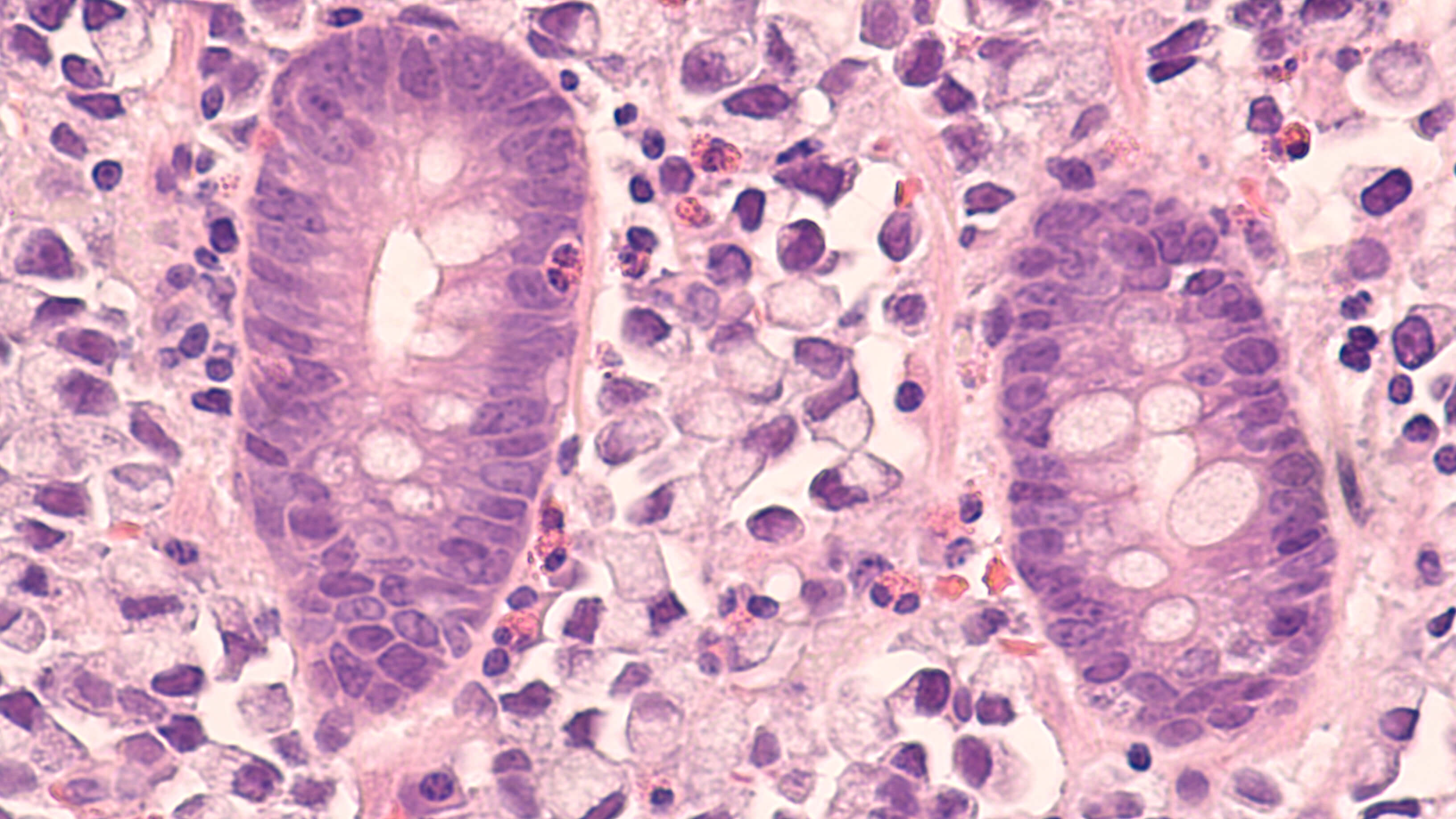
Immunohistochemistry (IHC) is a powerful laboratory technique used to detect specific antigens in tissue sections using antibody-based staining. The accuracy of IHC results depends not only on the primary antibodies and protocols but also, critically, on the quality of the controls used. Reliable IHC controls ensure that staining patterns are interpretable, reproducible, and scientifically valid. Without proper controls, even well-optimized assays can produce misleading or inconsistent results.
Understanding the Role of IHC Controls
IHC controls serve as reference standards that validate staining performance. They are generally categorized into positive controls, negative controls, and internal controls.
Positive controls contain tissues known to express the target antigen, confirming that the staining protocol and reagents are functioning correctly. Negative controls lack the target antigen or use an irrelevant antibody, helping identify non-specific binding or background staining. Internal controls are naturally present structures within the same tissue section that should show predictable staining patterns, offering real-time validation within each slide.
Reliable controls ensure that any observed staining is due to specific antigen-antibody interaction rather than technical artifacts.
Key Criteria for Selecting Reliable IHC Controls
Choosing effective IHC controls requires careful evaluation of several important criteria.
1. Biological Relevance
The most reliable controls closely match the test tissue in biological origin and antigen expression. Ideally, a positive control should come from the same species, tissue type, and cellular context as the sample being tested. This ensures that antigen expression patterns and fixation responses are comparable.
For example, if testing a breast cancer marker, using confirmed breast carcinoma tissue as a positive control is far more reliable than using unrelated tissue types.
2. Known and Stable Antigen Expression
Reliable controls must have well-documented and stable expression of the target antigen. Tissues with variable or inducible expression are unsuitable because they can lead to inconsistent staining results. Formal validation of antigen stability over time is essential, especially in archived control blocks.
3. Proper Fixation and Processing
Controls should undergo the same fixation and processing methods as patient samples. Differences in fixation time, embedding medium, or storage conditions can significantly affect antigen preservation and antibody binding. Formalin-fixed, paraffin-embedded (FFPE) tissues are commonly preferred because they mirror routine diagnostic specimens.
4. Reproducibility Across Batches
A reliable control should produce consistent staining across multiple runs and reagent batches. Laboratories should test candidate controls over time to ensure that antigenicity does not degrade and that staining intensity remains stable.
Validation of IHC Controls
Before implementing a control in routine workflows, it must be validated. Validation involves testing the control tissue under various experimental conditions, including different antibody lots, detection systems, and staining platforms.
Validation ensures that the control behaves predictably and provides a true benchmark for interpreting test results. Laboratories often establish a “control database” of validated tissues for each antibody panel used in diagnostics.
It is also important to document staining patterns, intensity levels, and acceptable variation ranges. This documentation helps maintain standardization and supports quality assurance audits.
Sourcing Reliable Control Materials
Control materials can be sourced internally or externally.
Internal controls are derived from tissue samples already present in patient slides. These are highly valuable because they reflect real-time staining conditions. However, not all samples contain suitable internal controls, making external controls necessary.
External controls are prepared tissue blocks, commercially available control slides, or previously validated laboratory specimens. Commercially prepared controls offer consistency and convenience, but they must still be validated in-house before routine use.
Some laboratories also create “multi-tissue blocks” containing different antigen-positive tissues in a single paraffin block. These are especially useful for high-throughput testing environments.
Common Mistakes in Selecting IHC Controls
One frequent mistake is using weakly expressing or borderline-positive tissues as ihc-fofr . These can lead to misinterpretation of staining quality. Another error is failing to match fixation conditions between control and test tissues, which can produce false-negative or false-positive results.
Reusing old or degraded control blocks without revalidation is also problematic, as antigenicity may decline over time. Additionally, re solely on external controls without internal validation increases the risk of undetected procedural errors.
Best Practices for Consistency
To maintain consistent IHC results, laboratories should implement standardized protocols for selecting, validating, and documenting controls. Regular quality checks should be performed, and control tissues should be periodically replaced or revalidated.
It is also recommended to use both internal and external controls whenever possible. This dual approach provides stronger verification of staining accuracy and reduces the likelihood of diagnostic errors.
Training laboratory personnel on proper control selection and interpretation is equally important. Even the best controls lose value if they are misinterpreted or inconsistently applied.
Conclusion
Choosing reliable IHC controls is essential for ensuring accuracy, reproducibility, and diagnostic confidence in immunohistochemistry. By selecting biologically relevant tissues, validating antigen stability, standardizing processing methods, and avoiding common pitfalls, laboratories can significantly improve the consistency of their results.
Well-chosen controls act as a safeguard against technical variability and strengthen the overall reliability of IHC-based testing. In modern pathology and research settings, they are not optional—they are fundamental to producing trustworthy scientific and clinical outcomes.