
Minimally Invasive Spine Surgery in St. Louis, MO – Faster Recovery
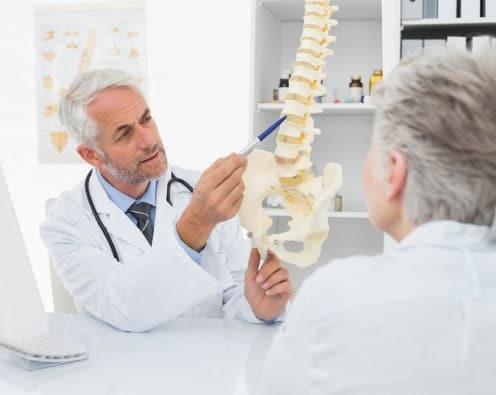
When back pain strikes, it can disrupt every part of your life. Whether it's due to a herniated disc, degenerative disease, or spinal stenosis, severe back pain can make even the simplest tasks feel impossible. For many, surgery seems like the only option to restore comfort and mobility. However, the thought of a major surgery and a long recovery time can be daunting.
Thankfully, advances in medical technology have made it possible for people in St. Louis, MO, to benefit from minimally invasive spine surgery—a cutting-edge technique that promises faster recovery, less pain, and improved outcomes. If you're considering spine surgery, understanding the benefits of minimally invasive procedures can help you make an informed decision about your treatment options.
1. What Is Minimally Invasive Spine Surgery?
Minimally invasive spine surgery (MISS) is a modern approach to treating spine conditions with small incisions, specialized instruments, and advanced imaging techniques. Unlike traditional spine surgery, which requires large incisions and involves cutting through muscles and other tissues, MISS aims to minimize trauma to the body by using only tiny incisions—often no larger than a pencil tip.
Using a small camera (endoscope) and other specialized tools, surgeons can perform complex spinal procedures with remarkable precision, allowing them to target problem areas without disturbing healthy tissue. This technique is particularly useful for addressing conditions like herniated discs, spinal stenosis, scoliosis, and degenerative disc disease.
2. The Benefits of Minimally Invasive Spine Surgery
a. Faster Recovery
One of the biggest advantages of minimally invasive spine surgery is the significantly reduced recovery time. Traditional spine surgery typically requires a long hospital stay and weeks (or even months) of rehabilitation. With MISS, patients often experience much quicker recoveries. Most people are able to return home within 24-48 hours of the procedure, and many can resume light activities within a few weeks. The small incisions and less muscle disruption mean there's less pain, swelling, and scarring, which speeds up the healing process.
b. Less Pain and Discomfort
Since minimally invasive procedures use smaller incisions, there is far less trauma to the muscles, nerves, and tissues surrounding the spine. This means less post-surgical pain, which translates to less need for pain medication and a faster return to normal activities. In fact, many patients report experiencing less discomfort following MISS compared to traditional surgery.
c. Reduced Risk of Complications
With smaller incisions and less disruption to surrounding tissue, there is a lower risk of complications such as infection, blood loss, or nerve damage. The precision of the surgery also decreases the chances of causing any unintended damage to other areas of the spine or nearby organs. As a result, minimally invasive spine surgery is often considered a safer alternative to traditional surgery.
d. Shorter Hospital Stays
Traditional spine surgery often requires an extended hospital stay, sometimes up to a week or more. In contrast, minimally invasive procedures usually only require a short stay—often just one or two nights—making the experience much more convenient for patients. Shorter hospital stays also reduce the risk of hospital-related infections and make recovery more comfortable.
e. Smaller Scars
With smaller incisions, the scars left behind after minimally invasive spine surgery are less noticeable and far smaller than those left by traditional surgery. This can be a major benefit for patients who are concerned about visible scarring, especially if the surgery is on an area like the back that is often exposed.
3. Conditions Treated with Minimally Invasive Spine Surgery
Minimally invasive spine surgery can address a variety of spine conditions, including:
Herniated Discs:
When a disc in the spine bulges out of place and presses on nearby nerves, it can cause pain, numbness, and weakness. MISS can remove or repair the damaged disc with minimal disruption to surrounding tissue.
Spinal
Stenosis
:
This condition involves the narrowing of the spinal canal, which can compress the spinal cord and nerves. MISS can be used to open up the canal and relieve pressure.
Degenerative Disc Disease:
As discs in the spine wear down over time, they can cause pain and limit movement. Minimally invasive techniques can remove damaged discs and, in some cases, replace them with artificial discs or fusions.
Scoliosis and Spinal Deformities:
MISS can also treat scoliosis, a curvature of the spine, by correcting misalignments with minimal incisions and faster recovery.
4. Finding a Skilled spine surgeon st louis mo in St. Louis, MO
If you're considering minimally invasive spine surgery in St. Louis, MO, it’s essential to find a skilled and experienced orthopedic spine surgeon. Look for a surgeon who specializes in minimally invasive techniques and has a track record of success with these procedures. Here are some tips to help you choose the right surgeon:
Board Certification:
Ensure your surgeon is board-certified in orthopedic surgery or neurosurgery, with a focus on spine care. This guarantees they have the necessary training and experience to handle spine surgeries.
Experience with Minimally Invasive Techniques:
Not all spine surgeons perform minimally invasive surgery, so make sure to choose one who specializes in these techniques. Ask about their experience with specific procedures and their success rates.
Patient Reviews and Referrals:
Reading reviews from other patients can give you a sense of your surgeon's bedside manner, expertise, and overall quality of care. Additionally, referrals from friends, family, or your primary care physician can help you find trusted surgeons in the area.
Consultation:
Schedule a consultation to meet with the surgeon in person. During this visit, ask about your condition, potential treatment options, and the specifics of minimally invasive surgery. This is also a great time to assess whether you feel comfortable with the surgeon and their approach.
5. The Road to Recovery: What to Expect After Minimally Invasive Spine Surgery
One of the greatest benefits of minimally invasive spine surgery is the shorter recovery time. Here’s a general overview of what to expect after the procedure:
Day 1-2:
You may stay in the hospital for one or two days for observation. Your surgeon and medical team will monitor your progress, manage your pain, and ensure you're recovering well. Most patients can walk around shortly after the procedure.
Week 1-2:
During the first week or two, you’ll likely be able to resume light activities and walking. Physical therapy may be recommended to help strengthen your muscles and improve mobility.
Weeks 3-6:
As you continue to heal, you should gradually be able to return to more normal activities. Heavy lifting and strenuous exercise should be avoided during this time.
3-6 Months:
Full recovery may take a few months, but by this time, many patients are able to resume all their regular activities with minimal to no pain. Your surgeon will guide you through a post-operative plan that ensures you continue to heal properly.
6. Conclusion: Minimally Invasive Spine Surgery for a Pain-Free Future
If you're dealing with debilitating back pain, minimally invasive spine surgery in St. Louis, MO, could be the solution you’ve been waiting for. With faster recovery, less pain, and fewer complications compared to traditional spine surgery, this innovative treatment option allows you to get back to living your life without the long wait for healing.
Finding a skilled, experienced spine surgeon is the first step toward regaining a healthy, pain-free back. Don’t let back pain control your life any longer—minimally invasive spine surgery could be your path to recovery, so you can enjoy all the activities you love, pain-free.