
Setting Goals for Trimming Down Unused Hardware A Comprehensive Guide
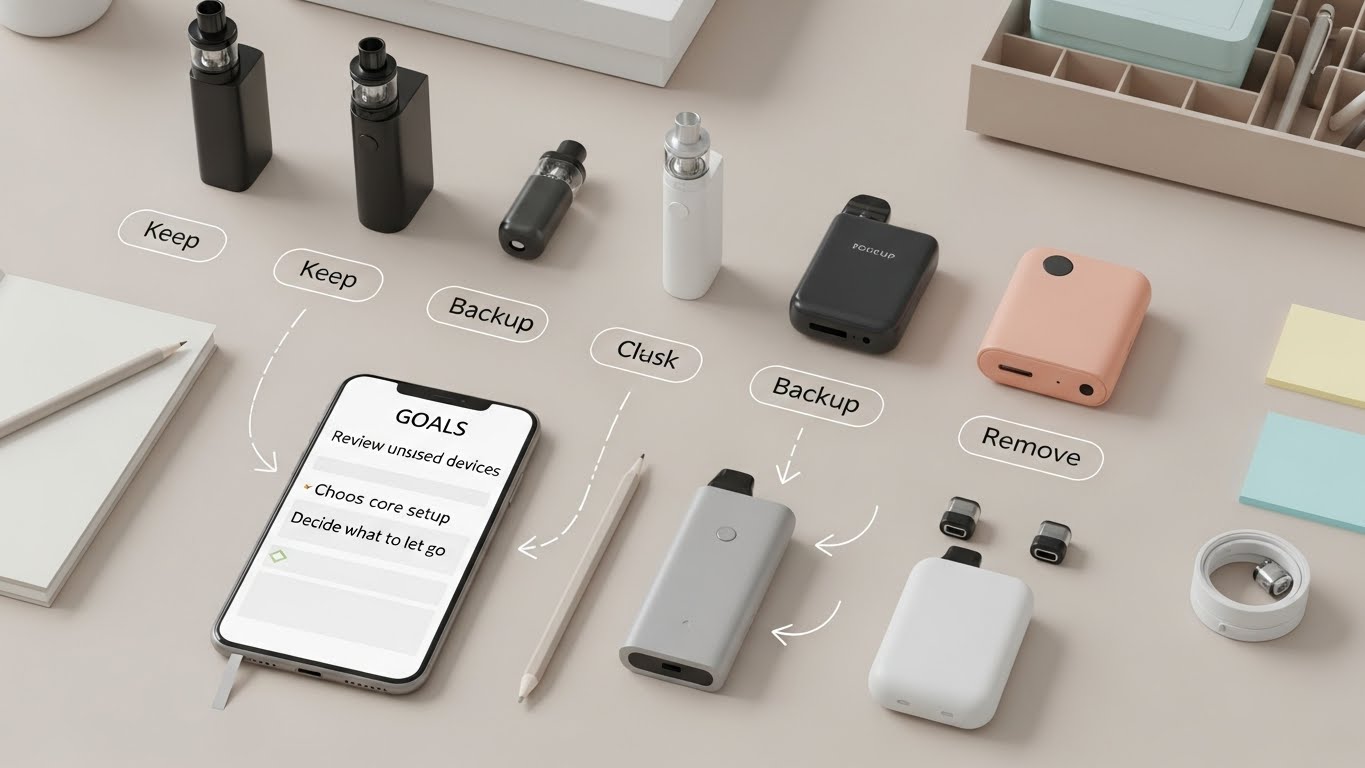 In today’s digital landscape, businesses and individuals alike accumulate a plethora of hardware over time. From outdated servers to obsolete peripherals, excess hardware can lead to clutter, increased costs, and inefficiencies. Setting a clear goal for trimming down unused hardware is essential for optimizing resources and maintaining an efficient workspace. In this article, we will guide you through the process of establishing effective goals for reducing your hardware footprint. For more info: https://e-liquids.com/collections/vape-juice
Understanding the Importance of Hardware Management
Before diving into goal-setting, it’s crucial to understand why managing hardware is essential. Unused hardware can:
– Increase Operational Costs: Unused equipment often incurs maintenance, power, and storage costs.
– Hinder Productivity: Clutter can lead to confusion and inefficiencies in the workplace.
– Pose Security Risks: Outdated hardware may be more susceptible to security vulnerabilities.
– Impact Environmental Sustainability: E-waste contributes to environmental degradation; responsible disposal can mitigate this. Also read: https://e-liquids.com/collections/vape-kits
Step 1: Assess Your Current Hardware Inventory
Conduct a Comprehensive Inventory
The first step in trimming down unused hardware is to conduct a thorough inventory of what you currently have. Create a list that includes:
– Type of Hardware: Servers, computers, printers, etc.
– Age of Equipment: Determine how long each item has been in use.
– Usage Frequency: Note which items are used regularly and which are gathering dust.
Evaluate Hardware Performance
Once you have your inventory, evaluate the performance and utility of each piece of hardware. Ask yourself:
– Is it still functional?
– Does it meet current technological demands?
– Is it cost-effective to maintain?
This evaluation will provide a clear picture of what equipment is essential and what can be trimmed.
Step 2: Set SMART Goals
Specific, Measurable, Achievable, Relevant, Time-bound
To effectively trim down your hardware, set SMART goals. Here’s how to structure your goals:
– Specific: Clearly define what you want to achieve. For example, “Reduce hardware inventory by 30%.”
– Measurable: Use quantifiable metrics to track progress. For instance, “Eliminate 10 obsolete servers.”
– Achievable: Ensure your goals are realistic given your resources and constraints.
– Relevant: Align your goals with broader organizational objectives, such as improving efficiency or reducing costs.
– Time-bound: Set a deadline for achieving your goals. For example, “Complete by the end of Q2.”
Step 3: Identify Unused or Underutilized Hardware
Analyze Usage Patterns
Once you have set your goals, identify the hardware that fits the criteria for elimination. Look for:
– Underutilized Equipment: Items that haven’t been used in the past year.
– Obsolete Technology: Hardware that can no longer support current software or security updates.
– Redundant Devices: Multiple items that serve the same purpose.
Creating a priority list based on this analysis will help streamline your decision-making process.
Step 4: Develop a Disposal Strategy
Responsible Disposal Options
Once you have identified the hardware to trim, develop a strategy for disposal. Consider the following options:
– Recycling: Research local e-waste recycling programs that can responsibly handle your outdated hardware.
– Donations: Consider donating functional equipment to schools or non-profits that may benefit from it.
– Reselling: Explore platforms for selling used hardware, which can generate some revenue.
– Secure Data Wiping: Ensure all data is securely wiped from devices before disposal to protect sensitive information.
Document Your Disposal Process
Keep records of what hardware has been disposed of, donated, or sold. This documentation can be valuable for compliance and auditing purposes.
Step 5: Monitor and Adjust Goals Regularly
Continuous Improvement
Setting goals is not a one-time activity. Regularly review your hardware inventory and assess whether your goals are still relevant. Adjust your objectives based on changing technology needs, business growth, or new hardware acquisitions.
Utilize Management Tools
Consider using inventory management software or tools that can help you track hardware usage and performance over time. This will streamline the monitoring process and improve your decision-making.
Conclusion
Trimming down unused hardware is a vital step in maintaining an efficient, cost-effective, and secure operational environment. By assessing your current inventory, setting SMART goals, identifying underutilized hardware, developing a disposal strategy, and regularly monitoring your progress, you can significantly reduce clutter and enhance productivity. Embrace the journey of hardware optimization, and reap the benefits of a streamlined, efficient workspace. Happy decluttering!