
IHC CRO Services: Comprehensive Guide to Immunohistochemistry Contract Research Solutions

In the modern landscape of biomedical research and pharmaceutical development, IHC CRO services play an indispensable role in advancing scientific discovery, validating therapeutic targets, and supporting preclinical and clinical studies. Immunohistochemistry (IHC) is one of the most widely used laboratory techniques for detecting specific antigens in tissues using antibody‑based staining. When offered through a Contract Research Organization (CRO), these services empower researchers and companies with specialized expertise, scalable workflows, and rigorous data quality that drive research forward efficiently and reliably.
What Are IHC CRO Services?
IHC CRO services refer to contract research offerings that provide immunohistochemistry assay development, optimization, analysis, and reporting. A CRO specializing in IHC offers tailored solutions to clients across biotech, pharmaceutical, academic, and clinical research institutions. These services support projects ranging from exploratory biomarker identification to regulated safety assessments.
Typical components of IHC Service here include:
-
Assay design and validation
‑ Selection and validation of antibodies
‑ Optimization of antigen retrieval and staining conditions -
Tissue processing and staining
‑ FFPE (formalin‑fixed paraffin‑embedded) and frozen tissue handling
‑ Multiplex IHC staining panels -
Image acquisition and analysis
‑ High‑resolution slide scanning
‑ Automated quantification with software and AI‑assisted interpretation -
Study reporting and documentation
‑ Detailed technical reports
‑ Regulatory guidance support
By outsourcing IHC work to a CRO, organizations save time, reduce operational costs, and access specialized scientific capabilities that may not be available in‑house.
Why Researchers Choose IHC CRO Services
There are several compelling reasons researchers partner with IHC CROs:
1. Expertise in Complex Assays
IHC requires precision in reagent selection, sample preparation, staining protocols, and interpretation. Not all labs have the infrastructure or expertise needed to run robust IHC assays consistently. A CRO team with IHC specialization brings seasoned scientists, validated protocols, and stringent quality control to every project.
2. Scalability and Throughput
Whether a project involves dozens of samples or several thousand, IHC CRO services can scale appropriately. CROs are equipped with high‑capacity staining instruments, automated slide scanners, and efficient workflows that accommodate both small research studies and large clinical trial sample sets.
3. Reproducibility and Quality Control
Reproducibility is a cornerstone of scientific rigor. Repeated optimization, internal controls, and digital documentation ensure that data generated through IHC CRO services meets high reproducibility standards — a critical aspect for study credibility and regulatory submissions.
4. Advanced Imaging and Digital Analysis
Cutting‑edge IHC CRO services increasingly use digital pathology platforms and artificial intelligence (AI)‑enhanced image analysis. These tools convert stained tissue slides into digital data, enabling precise quantification of biomarkers and reducing subjective interpretation variability.
Key Applications of IHC CRO Services
A. Biomarker Discovery and Validation
In early‑stage research, measuring protein expression within tissues helps uncover biomarkers that correlate with disease progression, therapy responsiveness, or patient outcomes. IHC CRO services enable:
-
Identification of potential diagnostic or prognostic biomarkers
-
Validation of targets for drug development
-
Spatial profiling of immune and tumor cell populations
B. Preclinical and Translational Research
For preclinical drug studies, IHC CRO services are crucial for assessing pharmacodynamic effects and target engagement. Scientists can determine if a drug candidate reaches its intended tissue targets and alters specific protein expression patterns.
C. Clinical Trial Support
In clinical trials, IHC data can serve as companion diagnostics or support stratification of patient populations. CROs can operate under Good Laboratory Practice (GLP) conditions and generate reports suitable for regulatory review.
D. Safety and Toxicology Reporting
Toxicology studies often require detailed histopathological examination of organs and tissues. IHC provides added specificity to conventional histology by highlighting cellular changes at the molecular level, helping toxicologists interpret safety signals accurately.
What to Look for in an IHC CRO Provider
Not all IHC CRO services are created equal. Here’s what clients should consider when selecting a service provider:
1. Scientific Expertise and Track Record
A reputable CRO should demonstrate experience in designing and executing IHC protocols across different tissue types and research needs. References, publications, or case studies showcasing successful projects add confidence.
2. Quality Standards
Quality systems such as ISO certification or adherence to GLP can ensure consistent results. Providers should also implement robust quality assurance and quality control measures throughout the project lifecycle.
2. Scalability and Throughput
0Research needs vary widely. Providers should be able to tailor assays, panels, and analytical tools to specific client requirements — not just offer one‑size‑fits‑all solutions.
2. Scalability and Throughput
1Deliverables should include clear, detailed reports with raw and processed data, interpretation summaries, and visual documentation. Timely communication, transparent project updates, and scientific consultation are additional service hallmarks.
2. Scalability and Throughput
2Advanced equipment such as automated staining platforms, high‑resolution scanners, and AI‑enabled analysis software translate into faster turnaround times and higher data precision.
Trends in IHC CRO Services
1. Multiplex Immunohistochemistry Platforms
Rather than detecting a single biomarker per slide, multiplex IHC enables simultaneous visualization of multiple proteins within the same tissue section. This enhances spatial biology insights and drives deeper understanding of complex microenvironments such as tumors.
2. Digital Pathology and AI Integration
Machine learning and AI tools now support quantitative image analysis that surpasses manual scoring in speed and objectivity. CROs investing in digital pathology platforms offer clients robust, reproducible analytical outcomes.
3. Spatial Biology and Systems Pathology
Beyond traditional IHC, spatial biology approaches map interactions between different cell types and molecular markers in situ, offering deeper insights into cellular networks and disease mechanisms.
4. Regulatory Support for Companion Diagnostics
As personalized medicine grows, IHC CRO services supporting companion diagnostic development — particularly for immunotherapies — are in increasing demand.
Conclusion
IHC CRO services have become a cornerstone of modern biomedical research, accelerating discovery and supporting critical decision‑making throughout the drug development pipeline. From antibody validation and optimized staining to digital analysis and regulated reporting, IHC CROs provide expertise, scalability, and quality that extend beyond what most research labs can achieve independently.
Whether the goal is biomarker discovery, translational research, toxicology assessment, or clinical trial support, engaging a qualified IHC CRO partner can significantly enhance the scientific rigor, efficiency, and impact of your research programs.
Why Hiring Experienced Event DJs Miami Matters
When planning any event, whether it’s a wedding, corporate gathering, or private celebration, entertainment plays a crucial role in setting the mood. One of the most effective ways to ensure your event flows smoothly and keeps guests engaged is by hiring professional DJs. Specifically, experienced event DJs Miami bring a unique blend of skills, energy, and expertise that can make all the difference. Here’s why hiring seasoned professionals matters for your next event.
Understanding the Importance of Experience
Event djs miami have the advantage of extensive experience across a variety of events. Unlike beginners, they understand how to adapt their playlists, mixes, and energy to suit different audiences. Whether it’s an intimate birthday party or a large-scale corporate event, experienced DJs know how to read the crowd and make quick adjustments to keep the atmosphere vibrant. This level of adaptability ensures your guests remain entertained throughout the event.
Experience also translates to technical proficiency. Handling sound equipment, lighting, and even last-minute technical issues can be challenging for those without adequate training. Professional event djs miami are familiar with different venues, acoustics, and setups, allowing them to provide seamless audio experiences without interruptions or awkward pauses. This expertise eliminates unnecessary stress for event organizers and guarantees a polished performance.
Crafting the Perfect Musical Journey
Music is more than just background noise; it shapes the entire experience of your event. Event djs miami excel at creating a musical journey that resonates with your guests. They don’t just play songs randomly; they carefully plan transitions, build-ups, and climaxes to enhance the energy in the room. By understanding the mood and demographics of the attendees, they select tracks that appeal to a wide range of tastes while maintaining a cohesive vibe.
An experienced DJ can also incorporate special requests, seamlessly blending them into their set without breaking the flow. This personalization adds a memorable touch that keeps your event distinct and engaging. Whether it’s mixing popular hits, classic tracks, or niche genres, professional DJs have the skill to keep the dance floor alive.
Elevating Guest Experience
The primary goal of any event is to create an enjoyable and memorable experience for guests. Event djs miami play a pivotal role in achieving this. By reading the crowd and gauging energy levels, they can shift the tempo, introduce interactive segments, or bring in surprises that delight attendees. This level of engagement ensures guests feel involved and excited throughout the event.
Moreover, experienced DJs understand how to handle diverse crowds. They can transition between upbeat dance tracks and mellow background music without disrupting the event’s rhythm. This ability to balance energy levels keeps guests comfortable and engaged, catering to different personalities and preferences. A skilled DJ contributes not only to entertainment but also to the overall satisfaction of everyone present.
Professionalism and Reliability
When you hire experienced event djs miami, you’re also investing in professionalism. They arrive on time, manage equipment efficiently, and communicate effectively with event organizers and other vendors. Their reliability minimizes the risk of last-minute surprises or technical failures that can disrupt the event.
Professional DJs also carry backup equipment and contingency plans, ensuring that any unforeseen issues are resolved quickly. This preparedness reflects their commitment to providing a seamless experience, allowing hosts to focus on enjoying the event rather than worrying about logistics.
Versatility Across Event Types
Event djs miami are not limited to a single type of gathering. Their experience allows them to adapt to weddings, corporate events, private parties, and even large festivals. They understand the nuances of each event type, from corporate decorum to high-energy celebrations, and adjust their performance accordingly.
For corporate events, they can maintain a professional yet engaging tone, enhancing networking opportunities and team-building activities. For weddings or private celebrations, they can create a lively, fun atmosphere that encourages dancing and socializing. Their versatility ensures that no matter the occasion, your event’s entertainment remains appropriate, enjoyable, and memorable.
Building Lasting Memories
Music has a powerful impact on memory and emotion. A well-curated DJ set can turn ordinary moments into unforgettable experiences. Event djs miami know how to select songs that resonate with guests, evoke nostalgia, and inspire joyful reactions. Their ability to create these lasting memories elevates the overall value of your event, making it something attendees will talk about long after the day is over.
Additionally, experienced DJs often work with other event vendors, such as lighting technicians, photographers, and event planners, to create a cohesive experience. By synchronizing music with lighting cues or key moments like speeches and cake-cutting, they enhance the emotional impact and create a polished, professional event.
Cost vs. Value
While hiring an experienced DJ may seem like a higher initial investment, the value they bring far outweighs the cost. Their expertise ensures a smooth, engaging event, reducing the risk of mistakes, awkward pauses, or disengaged guests. The energy they bring, combined with technical skill and professionalism, contributes to a higher overall guest satisfaction.
Moreover, the memories and positive feedback generated by a well-executed event can provide long-term benefits, particularly for corporate gatherings. A successful event reflects well on the host or company, enhancing reputation, relationships, and even business opportunities. In this sense, investing in experienced event djs miami is not just about music—it’s about the overall success and impression of your event.
Choosing the Right DJ
To maximize the benefits, it’s important to select DJs with proven experience and a style that aligns with your event’s vision. Look for portfolios, reviews, and recommendations from past clients. Discuss your expectations, special requests, and any specific requirements to ensure they can deliver the experience you envision. Experienced event djs miami will guide you through this process, offering insights and suggestions based on their extensive knowledge.
Conclusion
Hiring experienced event djs miami is more than just securing someone to play music. It’s about ensuring your event runs smoothly, engaging your guests, and creating unforgettable memories. Their expertise, professionalism, and adaptability make them an invaluable asset for any celebration, from weddings and private parties to corporate gatherings. By investing in skilled DJs, you’re not just hiring entertainment—you’re elevating the entire experience and guaranteeing that your event leaves a lasting impression.
Choosing the right DJ can transform an ordinary event into a remarkable occasion, making the decision to hire experienced professionals a choice that truly matters.
Setting Goals for Trimming Down Unused Hardware A Comprehensive Guide
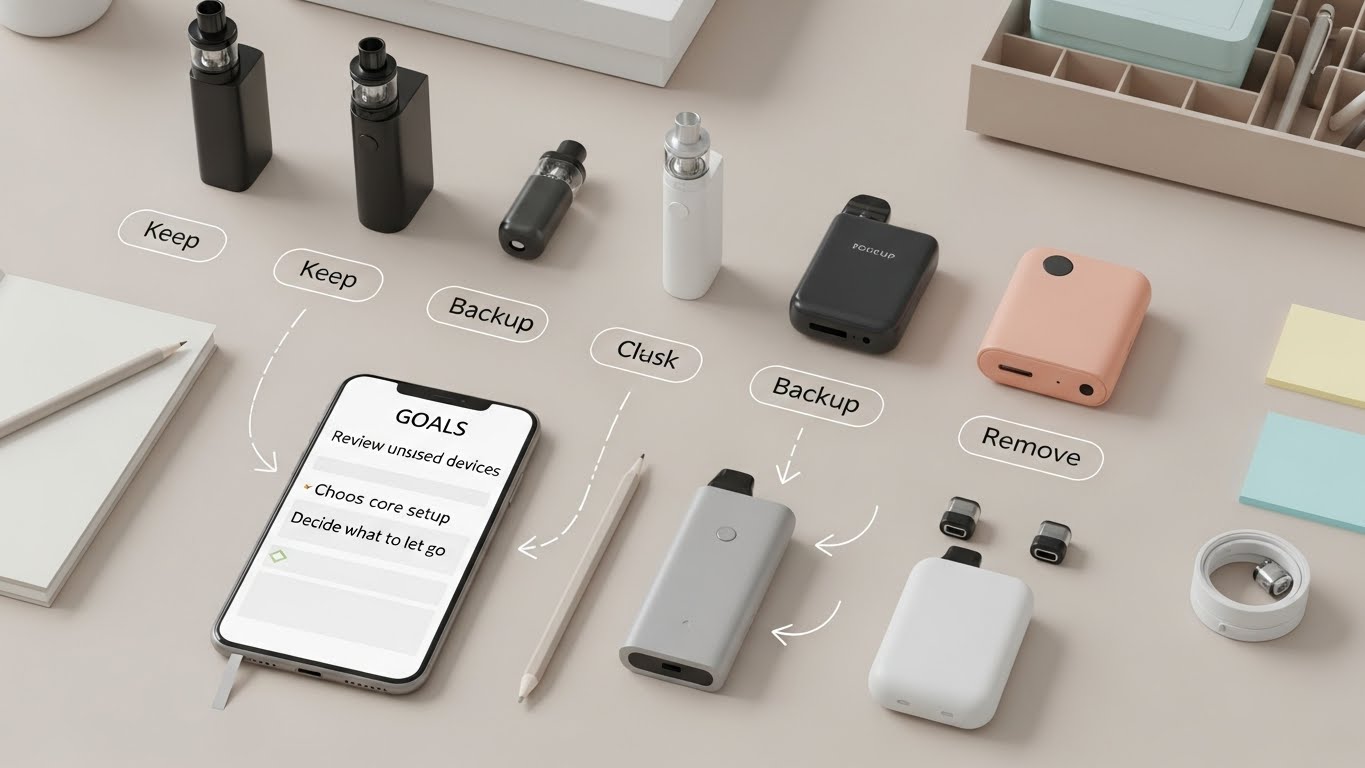 In today’s digital landscape, businesses and individuals alike accumulate a plethora of hardware over time. From outdated servers to obsolete peripherals, excess hardware can lead to clutter, increased costs, and inefficiencies. Setting a clear goal for trimming down unused hardware is essential for optimizing resources and maintaining an efficient workspace. In this article, we will guide you through the process of establishing effective goals for reducing your hardware footprint. For more info: https://e-liquids.com/collections/vape-juice
Understanding the Importance of Hardware Management
Before diving into goal-setting, it’s crucial to understand why managing hardware is essential. Unused hardware can:
– Increase Operational Costs: Unused equipment often incurs maintenance, power, and storage costs.
– Hinder Productivity: Clutter can lead to confusion and inefficiencies in the workplace.
– Pose Security Risks: Outdated hardware may be more susceptible to security vulnerabilities.
– Impact Environmental Sustainability: E-waste contributes to environmental degradation; responsible disposal can mitigate this. Also read: https://e-liquids.com/collections/vape-kits
Step 1: Assess Your Current Hardware Inventory
Conduct a Comprehensive Inventory
The first step in trimming down unused hardware is to conduct a thorough inventory of what you currently have. Create a list that includes:
– Type of Hardware: Servers, computers, printers, etc.
– Age of Equipment: Determine how long each item has been in use.
– Usage Frequency: Note which items are used regularly and which are gathering dust.
Evaluate Hardware Performance
Once you have your inventory, evaluate the performance and utility of each piece of hardware. Ask yourself:
– Is it still functional?
– Does it meet current technological demands?
– Is it cost-effective to maintain?
This evaluation will provide a clear picture of what equipment is essential and what can be trimmed.
Step 2: Set SMART Goals
Specific, Measurable, Achievable, Relevant, Time-bound
To effectively trim down your hardware, set SMART goals. Here’s how to structure your goals:
– Specific: Clearly define what you want to achieve. For example, “Reduce hardware inventory by 30%.”
– Measurable: Use quantifiable metrics to track progress. For instance, “Eliminate 10 obsolete servers.”
– Achievable: Ensure your goals are realistic given your resources and constraints.
– Relevant: Align your goals with broader organizational objectives, such as improving efficiency or reducing costs.
– Time-bound: Set a deadline for achieving your goals. For example, “Complete by the end of Q2.”
Step 3: Identify Unused or Underutilized Hardware
Analyze Usage Patterns
Once you have set your goals, identify the hardware that fits the criteria for elimination. Look for:
– Underutilized Equipment: Items that haven’t been used in the past year.
– Obsolete Technology: Hardware that can no longer support current software or security updates.
– Redundant Devices: Multiple items that serve the same purpose.
Creating a priority list based on this analysis will help streamline your decision-making process.
Step 4: Develop a Disposal Strategy
Responsible Disposal Options
Once you have identified the hardware to trim, develop a strategy for disposal. Consider the following options:
– Recycling: Research local e-waste recycling programs that can responsibly handle your outdated hardware.
– Donations: Consider donating functional equipment to schools or non-profits that may benefit from it.
– Reselling: Explore platforms for selling used hardware, which can generate some revenue.
– Secure Data Wiping: Ensure all data is securely wiped from devices before disposal to protect sensitive information.
Document Your Disposal Process
Keep records of what hardware has been disposed of, donated, or sold. This documentation can be valuable for compliance and auditing purposes.
Step 5: Monitor and Adjust Goals Regularly
Continuous Improvement
Setting goals is not a one-time activity. Regularly review your hardware inventory and assess whether your goals are still relevant. Adjust your objectives based on changing technology needs, business growth, or new hardware acquisitions.
Utilize Management Tools
Consider using inventory management software or tools that can help you track hardware usage and performance over time. This will streamline the monitoring process and improve your decision-making.
Conclusion
Trimming down unused hardware is a vital step in maintaining an efficient, cost-effective, and secure operational environment. By assessing your current inventory, setting SMART goals, identifying underutilized hardware, developing a disposal strategy, and regularly monitoring your progress, you can significantly reduce clutter and enhance productivity. Embrace the journey of hardware optimization, and reap the benefits of a streamlined, efficient workspace. Happy decluttering!
Dog Collars: Purpose, Types, and How to Choose the Right One | dizzydogcollars.com
Dog Collars: Purpose, Types, and How to Choose the Right One dizzydogcollars.com

A dog collar is one of the most basic and essential accessories for any dog owner. While it may seem like a simple item, a collar plays an important role in a dog’s safety, comfort, training, and identification. Choosing the right dog collar requires understanding its purpose, the different types available, and how it fits into a dog’s daily life.
The Purpose of a Dog Collar
At its core, a dog collar serves as a tool for identification and control. Most collars hold identification tags that display the dog’s name and the owner’s contact information. In the event that a dog becomes lost, a collar with proper identification greatly increases the chances of a safe return.
Collars also allow owners to attach a leash, making walks safer and more manageable. They provide a way to guide a dog, prevent sudden movements, and maintain control in public spaces. In addition, some collars are designed to support training or specific behavioral needs, such as discouraging pulling or assisting with obedience training.
Common Types of Dog Collars
There are many types of dog collars, each designed for a specific purpose:
Flat Collars
Flat collars are the most common type and are suitable for everyday use. They are typically made from nylon, leather, or fabric and are comfortable for most dogs. Flat collars are ideal for holding ID tags and attaching a leash for casual walks.
Martingale Collars
Martingale collars are designed for dogs with narrow heads, such as Greyhounds or Whippets. They tighten slightly when the dog pulls, preventing the collar from slipping off without choking the dog. This makes them a safer option for dogs prone to escaping. Visit: Heavy Duty Dog Harness
Training Collars
Training collars include choke chains, prong collars, and electronic collars. These are used under professional guidance to address specific training challenges. While effective in certain situations, they must be used carefully to avoid injury or stress to the dog.
GPS and Smart Collars
Modern technology has introduced smart collars equipped with GPS tracking, activity monitoring, and health insights. These collars help owners track their dog’s location and physical activity, offering peace of mind and useful data for overall well-being.
Choosing the Right Collar
Selecting the right dog collar depends on several factors, including the dog’s size, breed, age, and behavior. A collar should fit snugly but comfortably—tight enough that it won’t slip off, yet loose enough to allow two fingers to fit between the collar and the dog’s neck.
Material is another important consideration. Nylon collars are lightweight, affordable, and available in many colors and designs. Leather collars are durable, stylish, and often more comfortable over time, though they may require more maintenance. For dogs that swim frequently or spend time outdoors, waterproof or quick-drying materials may be ideal.
The dog’s activity level also matters. Active dogs may benefit from durable, reinforced collars, while smaller or calmer dogs may prefer softer, lighter options. Check: Dog Lead
Safety and Comfort Considerations
Safety should always be a priority when using a dog collar. Owners should regularly check for signs of wear, such as fraying or broken buckles, and replace collars when necessary. Puppies, in particular, outgrow collars quickly, so frequent size adjustments are important.
It’s also essential to remove collars when dogs are unsupervised at home, especially during play with other dogs, to prevent accidental snagging or choking.
Conclusion
A dog collar is much more than a decorative accessory—it is a vital tool that supports a dog’s safety, training, and identification. By understanding the different types of collars and choosing one that suits a dog’s specific needs, owners can ensure both comfort and security. A well-chosen collar contributes to a happy, healthy relationship between dogs and their humans.
For more information visit our website: www.dizzydogcollars.com
Answer Engine Optimization Explained How to Win Visibility in AI Search

Search is no longer just about blue links and keyword rankings. Today, people are asking questions directly to AI tools and search engines that answer instead of simply pointing. This shift has given rise to a powerful new concept: Answer Engine Optimization (AEO).
If you want your content to stay visible, relevant, and trusted in an AI-driven search world, understanding AEO is no longer optional—it’s essential. Let’s break it down in a clear, human-friendly way and explore how you can win visibility where answers matter most.
What Is Answer Engine Optimization (AEO)?
Answer Engine Optimization is the practice of optimizing content so it can be easily understood, trusted, and selected by AI-powered search engines and answer-based platforms.
Unlike traditional SEO, which focuses on ranking pages, AEO focuses on being the answer.
AI search engines don’t just scan keywords—they analyze meaning, context, clarity, and credibility. Their goal is to deliver the best possible answer in the shortest amount of time.
In simple terms:
-
SEO helps you get clicked
-
AEO helps you get quoted
Why AEO Matters in the Age of AI Search
AI-driven search experiences are changing how users interact with information. Instead of browsing multiple pages, users often receive a single, synthesized response.
Here’s why AEO is critical:
-
AI tools prioritize clear, direct answers
-
Zero-click searches are increasing
-
Users trust concise, authoritative explanations
-
Brands mentioned in AI answers gain instant credibility
If your content isn’t structured for answers, it may never be seen—even if it’s well-written.
SEO vs AEO: What’s the Difference?
Traditional SEO Focuses On:
-
Keywords and keyword density
-
Backlinks
-
Page rankings
-
Traffic generation
Answer Engine Optimization Focuses On:
-
User intent
-
Clear question-and-answer formats
-
Content clarity and depth
-
Context and semantic meaning
SEO brings users to your site. AEO brings your expertise directly to users.
The smartest strategy today blends both.
How AI Chooses Which Answers to Show
Understanding how AI evaluates content is key to winning visibility.
AI looks for:
-
Clear structure – headings, subheadings, and logical flow
-
Direct answers – concise responses near the top of sections
-
Contextual depth – explanations that show understanding, not fluff
-
Trust signals – consistency, accuracy, and authority
AI doesn’t want content that sounds smart. It wants content that is useful.
How to Optimize Content for Answer Engines
1. Start With Real Questions
Think like your audience. What are they actually asking?
Use natural language questions such as:
-
What is…
-
How does…
-
Why is…
-
What’s the difference between…
Make these questions visible in your headings and subheadings.
2. Answer First, Then Explain
AI favors content that gets to the point quickly.
A strong AEO structure looks like this:
-
Short, clear answer
-
Follow-up explanation
-
Supporting details or examples
This mirrors how humans prefer to learn—and how AI extracts information.
3. Use Clean and Logical Formatting
Formatting is not just for readability—it’s for comprehension.
Use:
-
H1 for the main topic
-
H2 for key sections
-
H3 for deeper breakdowns
-
Short paragraphs and bullet points
Well-structured content is easier for AI to parse and reuse.
4. Write Like a Human, Not a Machine
Ironically, the best way to optimize for AI is to sound more human.
Avoid:
-
Keyword stuffing
-
Robotic phrasing
-
Overly technical language
Instead:
-
Use natural tone
-
Explain concepts simply
-
Write as if you’re helping one person
AI rewards clarity and authenticity.
5. Build Topical Authority, Not Just Pages
Answer engines favor sources that demonstrate consistent expertise.
This means:
-
Cover topics deeply, not shallowly
-
Create clusters of related content
-
Stay focused on your niche
When AI recognizes you as a reliable source, your chances of being selected skyrocket.
Common AEO Mistakes to Avoid
Even good answer engine optimization can fail if it ignores how answer engines work.
Avoid these pitfalls:
-
Long introductions with no direct answer
-
Vague or generic explanations
-
Poor formatting
-
Writing only for rankings, not understanding
Remember, AI doesn’t “browse”—it selects.
The Future of Search Is About Answers
Search is no longer a competition for clicks. It’s a competition for trust.
Answer Engine Optimization puts your expertise front and center, helping you:
-
Stay visible in AI-powered results
-
Build authority faster
-
Reach users at the moment of intent
Those who adapt early won’t just survive the shift—they’ll lead it.
Final Thoughts: Win by Being Helpful
AEO isn’t about gaming algorithms. It’s about genuinely answering questions better than anyone else.
If your content is clear, structured, accurate, and human, AI will notice.
The future belongs to creators who don’t just chase visibility—but earn it by delivering real answers.