
Comprehensive Guide to HVAC Installation
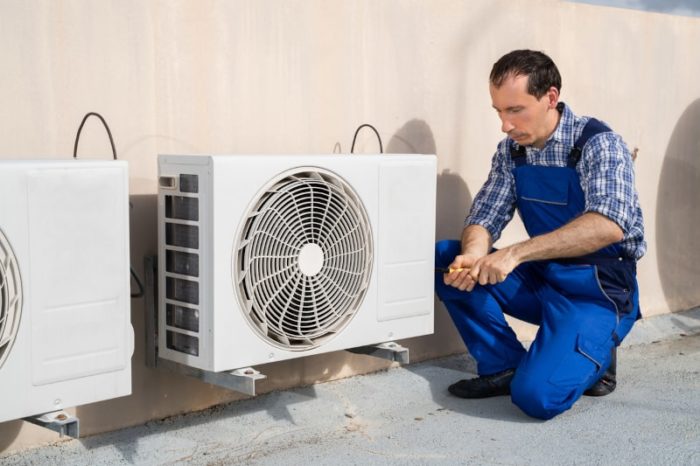
Installing a heating, ventilation, and air conditioning (HVAC) system is a critical step in ensuring comfort, energy efficiency, and air quality in any building. Whether it’s a residential home or a commercial facility, proper HVAC installation lays the foundation for reliable climate control for years to come. This guide will explore the essentials of HVAC installation, from planning to final testing.
Understanding HVAC Systems
Before diving into installation, it’s important to understand the components of an HVAC system. Typically, an HVAC system consists of:
-
Heating Unit: This can be a furnace, boiler, or heat pump that generates heat for winter months.
-
Cooling Unit: Often an air conditioner or heat pump that removes heat from indoor spaces during hot seasons.
-
Ductwork: Channels that distribute conditioned air throughout the building.
-
Thermostat: The control interface for temperature regulation.
-
Ventilation: Systems ensuring a steady flow of fresh air and removal of stale air.
Knowing the role of each component helps determine the proper placement and installation method.
Planning for HVAC Installation
The first step in HVAC companies near me is a thorough assessment of the building. Key considerations include:
-
Load Calculation: Determine the heating and cooling requirements using a Manual J or similar method. An accurate load calculation prevents under- or over-sizing the HVAC system, which can affect efficiency and comfort.
-
System Selection: Choose a system compatible with the building size, insulation, and local climate. Options include split systems, packaged units, or ductless mini-splits.
-
Budgeting: Factor in equipment costs, labor, permits, and potential modifications to ductwork or electrical systems.
-
Compliance: Ensure the system meets local building codes and safety standards. Many regions require permits and inspections for HVAC installation.
Proper planning reduces errors and ensures a smoother installation process.
Preparing the Installation Site
Before installation, preparation of the space is crucial. For heating and cooling units, consider:
-
Clearance and Accessibility: Maintain proper clearances around furnaces, heat pumps, and air conditioners for airflow and service access.
-
Structural Support: Some HVAC units, especially rooftop or larger commercial systems, require reinforced supports.
-
Electrical Connections: Confirm that the electrical system can handle the new HVAC load and that proper breakers and wiring are in place.
-
Ductwork and Venting: Ensure ducts are sealed and sized correctly, and exhaust vents comply with safety codes.
This preparation phase often determines how efficient and long-lasting the HVAC system will be.
Step-by-Step HVAC Installation
While professional installation is strongly recommended, understanding the steps can clarify the process:
-
Placement of Equipment: Position the indoor and outdoor units. For split systems, the outdoor condenser should have good airflow and minimal exposure to direct sunlight.
-
Ductwork Installation: Connect or modify ducts to ensure proper airflow to each room. Insulate ducts to prevent energy loss.
-
Refrigerant Lines and Connections: For air conditioners and heat pumps, install and securely seal refrigerant lines to ensure efficient cooling.
-
Electrical and Control Wiring: Connect thermostats, sensors, and safety switches according to manufacturer specifications.
-
System Testing: After installation, check for leaks, test airflow, verify electrical connections, and confirm proper operation of the heating and cooling functions.
Each step must adhere to safety standards to prevent hazards like electrical shock or refrigerant leaks.
Post-Installation Considerations
Once the HVAC system is installed, attention shifts to maintenance and optimization:
-
Commissioning: A certified technician should perform a final inspection to confirm that the system operates efficiently and safely.
-
Airflow Balancing: Adjust dampers and vents to ensure uniform temperature distribution throughout the building.
-
Routine Maintenance: Regularly replace filters, clean coils, and inspect components to prolong system life.
-
Energy Efficiency: Consider adding programmable thermostats, zoning systems, or energy recovery ventilators to maximize efficiency.
Proper post-installation care can prevent costly repairs and ensure the system runs optimally for years.
Why Professional HVAC Installation Matters
While DIY HVAC installation may seem appealing, professional installation ensures:
-
Correct sizing and placement.
-
Compliance with local codes and safety standards.
-
Proper refrigerant handling and electrical connections.
-
Manufacturer warranty validity.
Certified HVAC technicians bring expertise, tools, and experience that minimize the risk of errors and improve system longevity.
Conclusion
HVAC installation is a critical investment in the comfort and efficiency of a building. From careful planning and site preparation to meticulous installation and post-installation care, every step plays a role in ensuring optimal performance. Whether upgrading an existing system or installing a new one, professional HVAC installation ensures safety, reliability, and long-term energy savings. By prioritizing quality installation, building owners can enjoy consistent comfort while protecting their investment for years to come.