
Ductless Mini Split System The Energy Saving Solution You Need
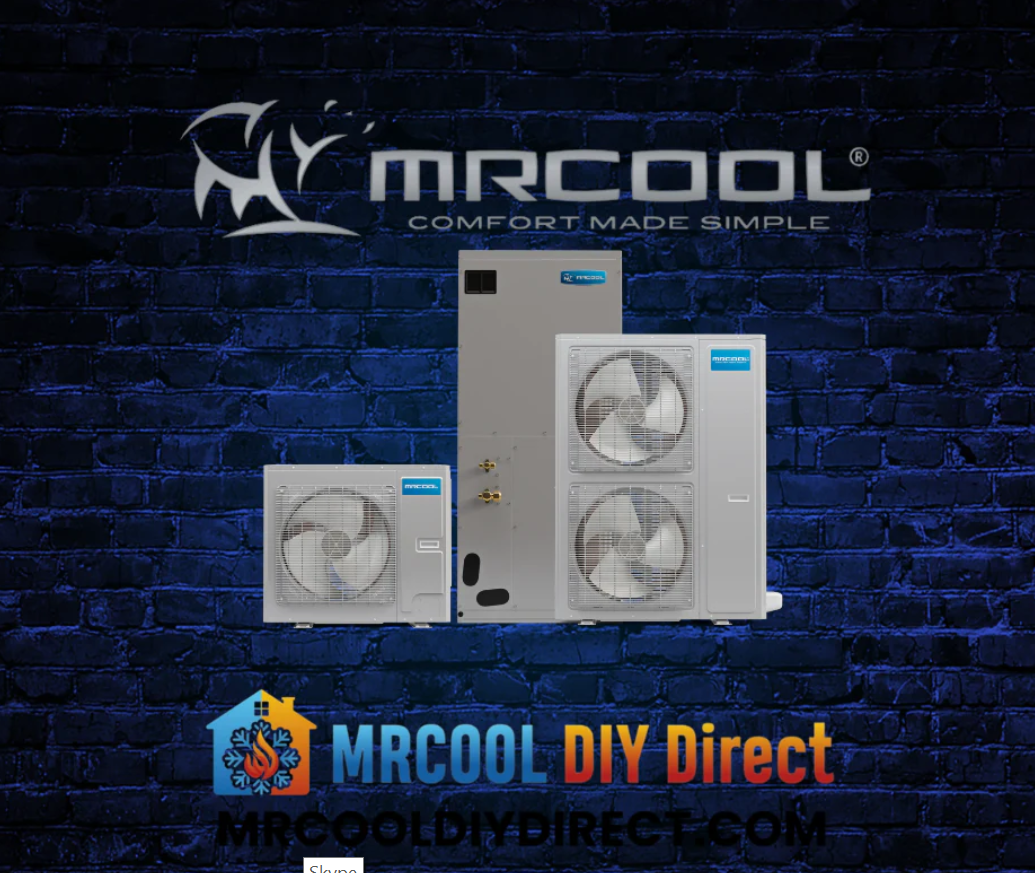
Ductless Mini Split System – The Energy-Saving Solution You Need Best HVAC for DIY Installation.
When it comes to keeping your home comfortable year-round, choosing the right HVAC system is key. Many homeowners are becoming more conscious of energy consumption and the long-term costs of heating and cooling their homes. If you’ve been looking for an efficient, cost-effective, and eco-friendly alternative to traditional air conditioning and heating systems, the ductless mini split system might just be the energy-saving solution you need.
Ductless mini splits have been gaining popularity in recent years, and for good reason. These systems offer a variety of benefits, from improved energy efficiency to better temperature control, all while saving space and reducing energy bills. But what exactly is a ductless mini split system, and how can it help you save energy? Let’s dive in and explore how this innovative system could be the right choice for your home.
What is a Ductless Mini Split System?
At its core, a ductless mini split system is a type of heating and cooling system that doesn’t require the use of traditional ductwork to distribute air. Instead, it consists of two main components: an outdoor compressor unit and one or more indoor air-handling units. These units are connected by refrigerant lines, and each indoor unit can be individually controlled to heat or cool a specific area of your home.
Unlike traditional HVAC systems, which use ducts to push air through your entire house, mini splits allow you to control the temperature in each room independently. This means you can heat or cool only the rooms you’re using, rather than wasting energy on empty rooms.
The Benefits of a Ductless Mini Split System
1. Energy Efficiency
One of the most appealing aspects of a ductless mini split system is its energy efficiency. Traditional HVAC systems often lose a significant amount of energy through ductwork, as air can leak out of small holes or gaps in the ducts, making the system less efficient. Ductless systems, on the other hand, have no ducts, so there’s no energy lost during the distribution process.
In fact, ductless mini splits can be up to 30% more energy-efficient than traditional central heating and cooling systems. This is because mini splits use a technology called inverter-driven compressors, which adjust the speed of the compressor based on the cooling or heating needs of the room. As a result, these systems use less energy by constantly maintaining a consistent temperature without having to cycle on and off like traditional systems.
2. Lower Energy Bills
Because of their energy efficiency, ductless mini splits can significantly reduce your heating and cooling costs. By only conditioning the rooms you use and maintaining a steady temperature, you’re not wasting energy on rooms that aren’t occupied. This targeted approach can translate into lower energy bills, making it an excellent long-term investment for homeowners who want to save money on their utility bills.
3. Flexible and Customizable Temperature Control
One of the standout features of ductless mini split systems is their ability to provide zoned heating and cooling. With multiple indoor units, you can control the temperature in different areas of your home independently. For example, you might want the living room to be a little cooler in the summer, but prefer the bedroom to be warmer. A ductless system makes it easy to adjust the temperature for each zone, providing optimal comfort without affecting the entire house.
This customizable temperature control is particularly beneficial for larger homes or homes with multiple stories. Instead of cranking up the heat or air conditioning to cover the entire house, you can adjust the settings in individual rooms to suit your preferences.
4. Easy Installation
Another major advantage of ductless mini splits is their easy installation. Traditional HVAC systems require extensive ductwork, which can be costly and time-consuming to install. Ductless systems, however, are much less invasive. The installation process typically involves drilling a small hole in the wall to connect the indoor units to the outdoor compressor. In most cases, installation can be completed in a day or two, with minimal disruption to your home.
Additionally, because ductless systems don’t require the installation of bulky ductwork, they are perfect for homes that don’t have existing ducts, such as older homes or additions. They’re also a great option for home renovations where adding ducts would be impractical or expensive.
5. Improved Indoor Air Quality
Indoor air quality is a crucial factor in maintaining a healthy home environment. Traditional HVAC systems often accumulate dust, mold, and allergens in the ducts, which can then be distributed throughout your home when the system is running. Ductless mini split systems, however, have air filters that help reduce the amount of dust and allergens circulating in the air. Some units even come with additional features like air purifiers or dehumidifiers to further improve indoor air quality.
For individuals with allergies or asthma, a ductless mini split can create a healthier living environment by keeping the air cleaner and fresher.
6. Quiet Operation
Another reason homeowners love ductless mini splits is their quiet operation. Traditional HVAC systems can be noisy, especially when they turn on or off, which can be disruptive to your daily life. Ductless mini splits, on the other hand, are designed to run quietly. The outdoor compressor is typically much quieter than traditional AC units, and the indoor units are even quieter, making them ideal for bedrooms, offices, or other spaces where peace and quiet are important.
Is a Ductless Mini Split System Right for You?
While ductless mini splits offer numerous benefits, they may not be the best option for every home. If you have a small space or only need to cool a few rooms, a mini split system could be a great solution. However, if you have a large home with many rooms or a complex layout, you may need multiple indoor units, which can increase the upfront cost.
It’s also important to consider the climate in your area. Ductless mini splits are excellent for regions with moderate heating and cooling needs. If you live in an area with extreme temperatures, you’ll need to make sure the system is sized properly and can handle the temperature demands.
Conclusion
In today’s world, energy efficiency and cost savings are more important than ever. A ductless mini split system offers the perfect solution for homeowners who want to reduce their energy consumption, lower their utility bills, and enjoy customizable comfort in their homes. With easy installation, quiet operation, and better temperature control, ductless mini splits are quickly becoming a go-to choice for homeowners looking for an eco-friendly and efficient heating and cooling solution.
If you’re ready to take control of your home’s energy usage and enjoy a more comfortable living space, a ductless mini split system might be just what you need. It’s a modern, reliable, and energy-saving option that can make your home more comfortable and your wallet a little heavier. So why wait? Take the leap into energy savings today!
Create SEO Friendly Blog Posts The Ultimate Guide to Rank Higher on Google

In today’s digital age, creating SEO-friendly blog posts is more important than ever. The competition for attention on Google’s search engine results pages (SERPs) is fierce, and unless your blog posts are optimized for search engines, they may get lost in the shuffle. But how do you ensure that your blog stands out in a crowded space while still providing value to your readers? The answer is simple: SEO-friendly blog posts.
SEO (Search Engine Optimization) is the practice of optimizing your content so that it ranks higher on search engines like Google. When done correctly, SEO can help your blog drive more organic traffic, build your brand authority, and ultimately increase conversions. In this guide, we’ll walk you through the key steps to creating blog posts that are both SEO-optimized and engaging for your readers.
Why SEO-Friendly Blog Posts Matter
Before diving into the “how,” let’s first address the “why.” seo blog writing -friendly blog posts do more than just improve your ranking on Google—they create a better user experience, attract more visitors, and ultimately help you reach your business goals. Here’s why you should prioritize SEO when writing your blog posts:
-
Increased Visibility: SEO helps your blog rank higher on Google, making it more likely that people will discover your content.
-
More Organic Traffic: SEO-friendly posts attract organic traffic, meaning visitors who find your blog through search engine queries instead of paid ads.
-
Improved User Experience: An SEO-optimized post is often easier to read, navigate, and understand, making it more enjoyable for your audience.
-
Higher Conversions: By providing valuable content that meets the needs of your audience, you increase the chances of turning visitors into customers, subscribers, or leads.
Now, let’s dive into the steps you need to take to create blog posts that rank higher on Google.
Start with Keyword Research
Effective SEO starts with keyword research. Keywords are the words or phrases that people type into search engines when looking for information. By identifying and targeting the right keywords, you can ensure that your blog post meets the needs of your audience.
-
Use Keyword Tools: Tools like Google Keyword Planner, Ubersuggest, and SEMrush can help you discover relevant keywords with good search volume.
-
Focus on Long-Tail Keywords: Long-tail keywords are longer, more specific search queries (e.g., “how to create SEO-friendly blog posts”) that often have less competition and can be easier to rank for.
-
Understand Search Intent: Make sure you understand the intent behind the keywords. Are people looking for information, services, products, or answers to a specific question? Your content should match that intent.
Once you’ve chosen your primary keyword(s), make sure to incorporate them naturally throughout your blog post.
Craft an Attention-Grabbing Title
Your title is the first thing people see when they come across your blog post. If it’s not compelling, they’ll click away. But a good title does more than grab attention—it also plays a crucial role in SEO.
-
Include Your Primary Keyword: Make sure your target keyword is in your title to improve search engine visibility.
-
Be Clear and Descriptive: A clear, descriptive title tells readers what to expect from your post, making them more likely to click.
-
Keep It Under 60 Characters: Google typically displays only the first 60 characters of a title, so keep it concise while making an impact.
Example: Instead of “SEO Tips,” try “How to Create SEO-Friendly Blog Posts That Rank Higher on Google.”
Write Engaging, High-Quality Content
Content is king, and the quality of your blog post matters just as much as its SEO elements. Google’s algorithms prioritize high-quality content that provides value to users, so always write with your audience in mind.
-
Be Informative and Helpful: Answer questions, solve problems, and provide real value to your readers. If your content isn’t useful, it won’t rank well.
-
Write for Humans, Not Robots: While it’s important to optimize for SEO, it’s just as important to keep your content engaging and readable for humans. Avoid keyword stuffing and ensure that your content flows naturally.
-
Be Comprehensive: Longer blog posts (1,500 words or more) often perform better in search rankings because they provide more comprehensive information. However, don’t sacrifice quality for length—make sure every word adds value.
Optimize Your Content with On-Page SEO
Now that your content is top-notch, it’s time to optimize it for SEO. Here are some on-page SEO techniques to help your blog post rank higher on Google:
-
Use Headings (H1, H2, H3): Properly structured headings help both readers and search engines navigate your content. The H1 tag should include your main keyword, and H2 and H3 tags can be used for subheadings, which also allow for secondary keywords.
-
Internal and External Links: Linking to other relevant content on your website (internal links) helps Google understand the structure of your site. External links to authoritative sources can also boost your content’s credibility.
-
Optimize Images: Images are great for making your blog visually appealing, but they can also impact your SEO. Use descriptive file names, and add alt text to each image with relevant keywords.
-
Meta Description: This brief snippet (about 155 characters) appears under your title on the SERP. It should include your target keyword and provide a compelling reason for people to click on your post.
-
Optimize for Mobile: Since Google prioritizes mobile-first indexing, ensure that your blog is mobile-friendly. A responsive design ensures a smooth experience for readers on all devices.
Make Your Blog Easy to Read
The easier your blog is to read, the longer people will stay on your site—and the higher your chances of ranking well on Google. Keep the following tips in mind:
-
Use Short Paragraphs: Break your content into bite-sized chunks to improve readability.
-
Incorporate Bullet Points and Lists: Lists are scannable and make it easy for readers to digest information quickly.
-
Write in Simple, Clear Language: Avoid jargon and keep your language simple and to the point. The goal is to make your content accessible to everyone.
Add a Call to Action (CTA)
Don’t forget to add a call to action (CTA) at the end of your blog post. Whether you want readers to subscribe to your newsletter, share your content, or make a purchase, a CTA guides them to the next step.
Promote Your Blog Post
Once your blog post is live, don’t just sit back and wait for the traffic to roll in. Promote your content across various channels to increase its visibility:
-
Share your post on social media platforms like Facebook, Twitter, and LinkedIn.
-
Email it to your subscribers.
-
Reach out to influencers or other bloggers for potential backlinks.
Final Thoughts
Creating SEO-friendly blog posts isn’t just about optimizing for search engines—it’s about creating valuable, engaging content that resonates with your audience. By following these steps, you can improve your chances of ranking higher on Google, attract more organic traffic, and ultimately build a loyal reader base. So, get started today—your blog’s SEO success is just a few well-optimized posts away!
Revolutionize Your Home’s Hot Water with Advanced Systems in Adelaide
In recent years, the pursuit of efficient and environmentally friendly technologies for homes has rapidly increased. Among these innovations, heat pump water heater Adelaide and solar hot water system Adelaide have become popular choices for those wanting to optimize energy use while reducing their carbon footprint.
The Benefits of Heat Pump Water Heaters
A heat pump water heater Adelaide offers numerous advantages for homeowners looking to save energy and money. Here’s why they have become a favored option:
- Energy Efficiency: Heat pump water heaters utilize electricity to move heat from the air or ground to heat water, often resulting in less energy consumption compared to traditional water heaters.
- Cost Savings: Although the initial investment may be higher, the savings on energy bills can offset the installation costs over time.
- Environmental Impact: Reduced reliance on fossil fuels makes heat pump water heaters a more sustainable choice.
Why Choose a Solar Hot Water System?
A solar hot water system Adelaide taps into an abundant and renewable energy source: the sun. Here are some key benefits of this system:
- Sustainability: By harnessing solar energy, homeowners can drastically reduce their greenhouse gas emissions.
- Reduced Utility Bills: After the initial investment, solar hot water systems significantly lower the cost of heating water as sunlight is free.
- Incentives and Rebates: Government incentives for solar installations can alleviate upfront costs, making solar systems more accessible.
FAQs About Heat Pump and Solar Hot Water Systems
Here are some frequently asked questions to help you make an informed decision:
1. Are these systems effective in areas with less sunlight?
Yes, both systems are designed to work efficiently even in less-than-ideal weather conditions. Heat pumps perform well in various climates, while solar systems typically include backup solutions for cloudy days.
2. What is the lifespan of these water heating systems?
Both systems are built to be durable and reliable, with lifespans ranging from 10 to 15 years or more, given regular maintenance and servicing.
3. How can I decide which system is right for my home?
Consider factors such as upfront cost, energy efficiency needs, available space, and climate. Consulting with an expert can provide personalized advice.
If you’re considering a shift towards these innovative systems and want to know more about installation processes or further benefits, visit solar hot water system Adelaide for detailed insights.
Elegant and Resilient Parchet SPC Flooring Solutions
When it comes to choosing the perfect flooring for your home, the options are abundant. From hardwood to tile to carpet, the possibilities seem endless. But what if you could have the elegance of wood flooring with the durability to withstand everyday wear and tear? Enter parchet vinil SPC Flooring—a solution that combines the beauty of traditional wood with modern innovation.
In this article, we’ll explore why Parchet SPC flooring is a standout choice for homeowners and businesses alike. From its stunning appearance to its impressive resilience, this flooring solution is truly a game-changer. So, let’s dive into everything you need to know about this elegant and durable flooring option.
What is Parchet SPC Flooring?
Parchet SPC flooring is a type of Stone Plastic Composite (SPC) flooring, known for its unique combination of beauty, strength, and durability. SPC flooring is constructed from a mixture of limestone, polyvinyl chloride (PVC), and stabilizers, which are compressed together to form an incredibly sturdy core. The result is a product that’s highly resistant to damage, moisture, and temperature changes.
The term “Parchet” refers to the plank design, which mimics the appearance of hardwood flooring, offering that warm, natural aesthetic that so many homeowners desire. Parchet SPC combines the realistic look of wood with all the practical benefits of SPC—making it an ideal choice for anyone looking for stylish, yet resilient, flooring.
The Elegance of Parchet SPC Flooring
One of the primary reasons people love Parchet SPC flooring is its stunning aesthetic. The planks are designed to resemble traditional wood flooring, with detailed textures and grain patterns that replicate the charm and warmth of natural wood. Whether you’re a fan of classic oak, modern grey tones, or dark wood finishes, there’s a Parchet SPC design to suit any style.
Additionally, the color variations available are incredibly versatile, so you can easily find a shade that complements your existing decor. Whether you want a cozy, rustic vibe or a sleek, contemporary look, Parchet SPC flooring gives you the elegance of wood, without the maintenance hassles associated with hardwood floors.
But it’s not just about the look—it’s about the feel, too. The planks have a natural texture that mimics the surface of real wood, adding a touch of luxury to any space. With its rich tones and sophisticated patterns, Parchet SPC flooring instantly elevates the ambiance of a room, creating a warm and inviting atmosphere.
Resilience You Can Count On
While beauty is important, durability is equally crucial when it comes to flooring. That’s where Parchet SPC flooring truly shines. Thanks to its Stone Plastic Composite core, this flooring solution is incredibly resilient and can stand up to the toughest conditions. Here’s how:
-
Waterproof: One of the standout features of Parchet SPC flooring is its waterproof properties. This makes it an excellent choice for high-moisture areas such as kitchens, bathrooms, and basements. Unlike traditional hardwood or laminate flooring, which can warp or swell when exposed to moisture, Parchet SPC flooring remains intact, ensuring your floors stay beautiful even in the most humid environments.
-
Scratch and Dent Resistance: Life happens. Kids run around, pets scratch the floor, and furniture gets moved. With Parchet SPC, you don’t have to worry about unsightly scratches or dents. The tough, durable surface resists daily wear and tear, keeping your floors looking new for longer. This is especially important in high-traffic areas, where your floors are bound to experience more foot traffic and activity.
-
Temperature Stable: One of the most impressive features of Parchet SPC flooring is its ability to withstand extreme temperatures. Unlike wood floors, which can expand or contract in response to temperature changes, Parchet SPC remains stable. This makes it a great option for homes with fluctuating temperatures or areas that experience both cold winters and hot summers.
-
Easy Maintenance: Parchet SPC flooring requires minimal maintenance compared to hardwood. It doesn’t need to be sanded, refinished, or sealed. Simply sweep or vacuum to remove dirt and debris, and mop with a damp cloth for regular cleaning. Its waterproof nature also makes it resistant to stains, so spills can be wiped up without leaving a trace.
The Benefits of Parchet SPC Flooring
Now that we’ve covered the elegance and resilience of Parchet SPC flooring, let’s take a look at the additional benefits it offers:
-
Affordability: While real hardwood flooring can be costly—both in terms of material and installation—Parchet SPC provides a more affordable alternative. You get the look of wood, but at a fraction of the cost, making it an excellent choice for budget-conscious homeowners who don’t want to compromise on style.
-
Simple Installation: Parchet SPC flooring is designed with ease of installation in mind. Many SPC planks feature a click-lock system, meaning they can be installed without the need for glue or nails. This DIY-friendly feature saves you time and money on installation costs.
-
Sound Insulation: Thanks to its dense core, Parchet SPC flooring provides excellent sound insulation. It absorbs noise, creating a quieter, more peaceful living environment. This is particularly beneficial for apartments or multi-story homes, where noise can be a concern.
-
Environmentally Friendly: Parchet SPC flooring is a sustainable choice. Unlike traditional hardwood, which requires cutting down trees, SPC flooring is made from recyclable materials. Some brands even use eco-friendly production processes to minimize their environmental impact, allowing you to make a greener choice for your home.
Where to Use Parchet SPC Flooring
Parchet SPC flooring is incredibly versatile and can be used in almost any room of your home or office. Here are a few places where it works particularly well:
-
Living Rooms and Bedrooms: The natural, warm look of Parchet SPC flooring creates a cozy and inviting atmosphere. Its elegant appearance makes it perfect for living rooms and bedrooms, where comfort and style are key.
-
Kitchens and Bathrooms: Thanks to its waterproof properties, Parchet SPC flooring is a great choice for moisture-prone areas like kitchens and bathrooms. You can enjoy the look of wood without worrying about water damage.
-
Hallways and High-Traffic Areas: Parchet SPC’s durability makes it ideal for high-traffic areas, such as hallways, entryways, and foyers. It can handle the daily wear and tear of foot traffic while still looking stunning.
Conclusion
When it comes to choosing the perfect flooring for your home or business, Parchet SPC flooring is a top contender. It offers the best of both worlds: the elegance of wood with the durability and practicality of modern flooring technology. With its waterproof features, scratch resistance, and easy maintenance, Parchet SPC is perfect for homes that need both beauty and resilience.
Whether you’re remodeling your living room, updating your kitchen, or outfitting an office space, Parchet SPC flooring delivers the elegance, resilience, and versatility you need. So why not make your floors stand out with Parchet SPC? You’ll be amazed at how it transforms your space into a stylish, functional, and lasting work of art.
A Comprehensive Guide to Towing Services Finding the Best Towing Near Me
When you’re stuck on the roadside, desperately searching for towing services, finding an efficient and affordable towing solution can seem daunting. Whether you need routine towing service or require specialized help like box truck towing or accident towing, knowing your options is crucial. In this guide, we’ll take a closer look at your choices for towing service near me, including tips on selecting the right towing company and insights into specific towing needs.
Types of Towing Services Available
Towing services cater to a variety of needs. Here are some of the common types of tow service you might require:
- Accident Towing: Required after a collision, ensuring your vehicle is removed safely from the scene.
- Long Distance Towing: Perfect for relocations, auctions, or when transferring a vehicle over a great distance.
- Box Truck Towing: Provides specialized handling for large vehicles such as box trucks.
- Emergency Roadside Assistance: Offers immediate help with breakdowns, flat tires, or dead batteries.
Selecting the Right Towing Company
Finding a reliable towing company might seem challenging, but considering the following factors can simplify the process:
- Reputation: Look for customer reviews and ratings to ensure reliability and professionalism.
- Pricing: Compare quotes from various services to find the most affordable towing options.
- Availability: Ensure the company offers 24/7 service if possible, for those unpredictable roadside emergencies.
- Specialized Services: Confirm they can handle your specific towing service needs, whether for regular vehicles or larger truck towing.
FAQs on Towing Services
Q: How much does towing typically cost?
A: Costs can vary depending on the towing service near me, distance, and type of vehicle. It’s best to obtain quotes from several providers for the most accurate pricing.
Q: What should I do immediately after an accident requiring towing?
A: Ensure your safety first, then contact a tow service to safely remove your vehicle. Some insurance policies might cover towing costs, so it’s worth reviewing your coverage.
Q: Are there any vehicles that standard towing services cannot tow?
A: Standard towing vehicles may not accommodate oversized or heavy vehicles like box trucks, which would require box truck towing services.
For those seeking a trustworthy and efficient towing provider, consider checking out towing near me to meet all your towing needs and get back on the road with minimal hassle.
Blog