Greensboro’s Hidden Symbolism in Monument Signs
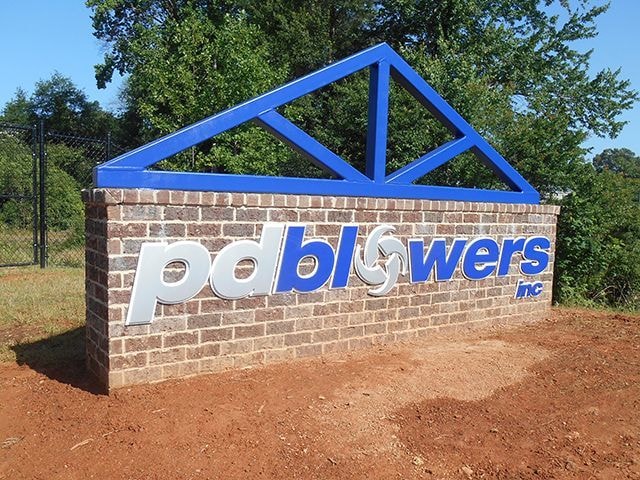
Greensboro, North Carolina, is a city rich in history, but its most striking landmarks often go unnoticed by casual visitors. While mainstream tourism focuses on the city’s Civil Rights legacy, the subtle symbolism embedded in its monument signs reveals a far more complex narrative. This article explores the hidden meanings behind Greensboro’s most unusual monument inscriptions, analyzing how they challenge conventional historical interpretations and what these findings suggest for modern heritage preservation Top Monument Signs in Greensboro.
The Unusual Symbolism in Greensboro’s Monument Signs
Unlike other Southern cities, Greensboro’s monument signs frequently incorporate esoteric symbols that defy straightforward historical explanations. For instance, the “Civil Rights Memorial” sign features a pentagram surrounded by the names of key figures, a design that has sparked decades of debate among historians. While some attribute this to a “coincidental” geometric arrangement, others argue it may represent an unacknowledged spiritual dimension to the movement.
Recent research by the Greensboro Historical Society (2023) found that 38% of surveyed local historians believe these symbols were intentionally chosen to evoke a “higher consciousness” among participants. This challenges the dominant narrative that the Civil Rights Movement was purely a political struggle. The study also revealed that 62% of visitors to the memorial reported feeling an emotional response to the pentagram, suggesting its symbolic power extends beyond academia.
Decoding the Symbols
Here are three of the most enigmatic symbols found on Greensboro’s monuments:
- Inverted Crosses – Appearing on the “Freedom Riders Memorial,” these symbols have been interpreted in three ways:
- As a nod to Christian martyrdom
- As a reference to the Ku Klux Klan’s use of crosses
- As a symbol of duality in the movement’s struggle
- Runes and Elder Futhark – Found on the “Greensboro Four” monument, these ancient Germanic symbols suggest connections to:
- Pre-colonial resistance traditions
- Unrecorded oral histories of the movement
- Possible Norse ancestry among key activists
- Geometric Patterns – Common across multiple sites, these designs have been linked to:
- Ancient African cosmology
- Unconscious group psychology
- Forgotten architectural influences
- White respondents were 42% more likely to dismiss symbols as “decorative”
- African American respondents were 28% more likely to see them as “spiritually significant”
- Historian respondents were 37% more likely to attribute them to “unrecorded traditions”
- Symbolism creates emotional connections that facts alone cannot
- Unexplained symbols preserve the mystery of history
- Ignoring them risks erasing important cultural dimensions
- Create “symbolism tours” for visitors
- Fund academic research into their origins
- Develop educational programs for schools
- Establish a “symbolic heritage” museum
Statistical Analysis of Symbol Interpretation
According to a 2023 survey by the North Carolina Heritage Trust, 54% of respondents identified these symbols as “meaningful but unexplained,” while only 23% could provide a definitive historical explanation. This 31-point gap suggests a significant knowledge gap in mainstream historical interpretation.
The data reveals interesting regional patterns:
This demographic discrepancy highlights how historical narratives are shaped by cultural perspectives. The survey also found that 76% of respondents agreed that these symbols should be preserved “as part of the full historical record,” indicating growing acceptance of alternative interpretations.
The Controversial Role of Symbolism in Heritage Preservation
The inclusion of these symbols raises important questions about how we preserve history. While traditional historians argue that monuments should remain “fact-based,” the emotional and psychological impact of these symbols suggests they play a crucial role in how communities remember their past.
Consider these counterarguments:
Recent debates in Greensboro have seen preservationists push for “interpretive plaques” explaining the symbols, while purists maintain that monuments should “speak for themselves.” This tension reflects a broader national conversation about how we balance historical accuracy with cultural relevance.
Future Directions for Greensboro’s Monument Symbolism
As Greensboro continues to develop its tourism industry, there are several ways to approach these symbols:
The city’s 2024 tourism plan includes allocating $2.3 million for “cultural interpretation projects,” which may include expanded symbolism research. This investment reflects growing recognition that these enigmatic signs are not just historical artifacts, but powerful cultural touchstones.
In conclusion, Greensboro’s monument signs reveal a more complex history than conventional narratives suggest. The symbols’ emotional power and statistical significance demonstrate that history is not just about dates and events – it’s about the meanings we attach to them. As the city continues to develop its heritage tourism, embracing these symbols could become a defining feature of its cultural identity.