Observe Elegant Real Estate The Hidden Economics of Luxury Property
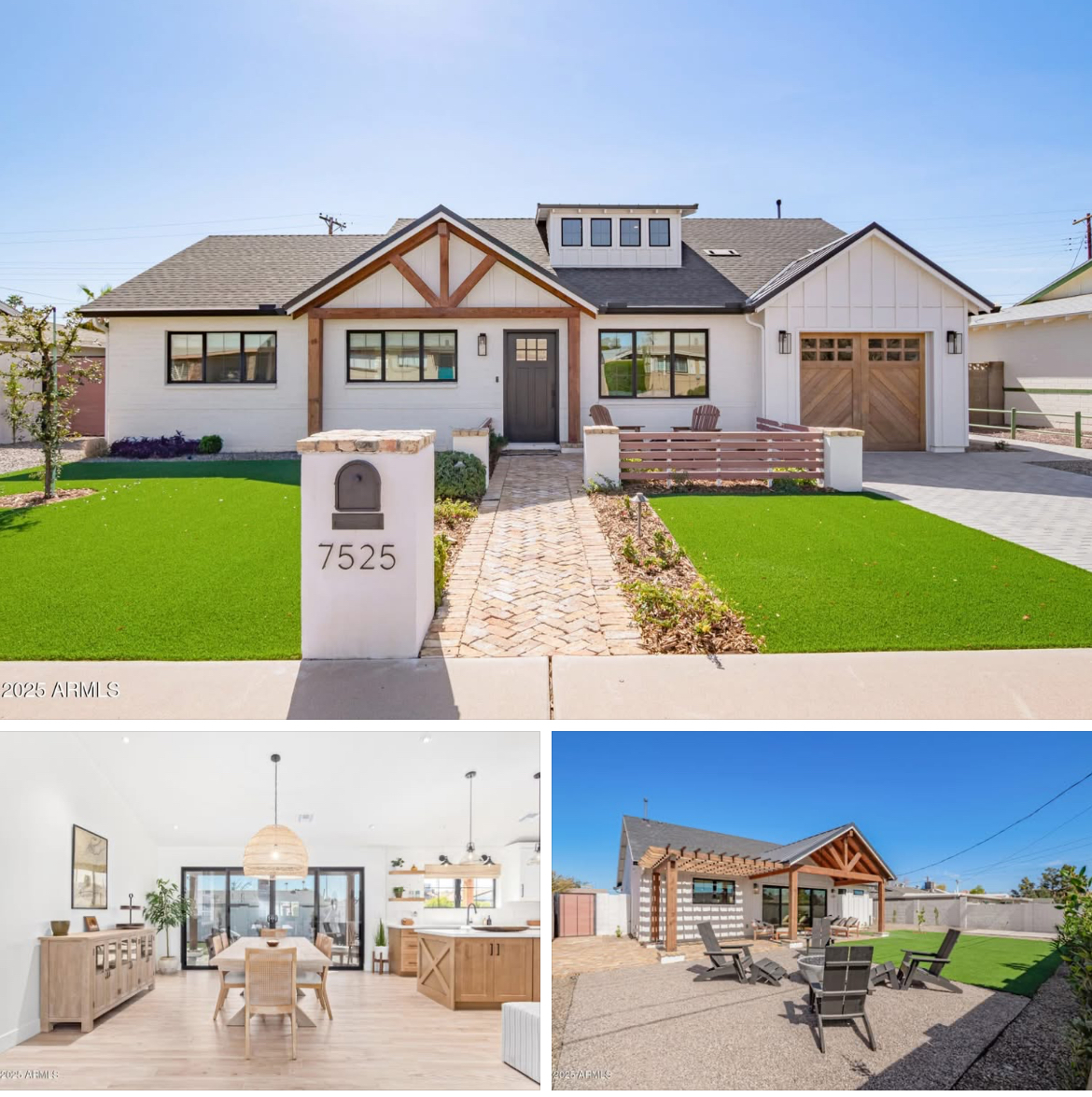
In the realm of luxury real estate, conventional wisdom often focuses on price tags, exclusivity, and aesthetic appeal. However, a deeper examination reveals that the true value of observe elegant real estate lies in its hidden economic mechanisms—specifically, the interplay between demand elasticity, speculative bubbles, and the psychological triggers that drive ultra-high-net-worth individuals (UHNWIs). This article dissects these often overlooked factors, providing a contrarian perspective that challenges the status quo.
The Demand Elasticity Paradox
According to a 2023 report by Knight Frank, the demand for luxury properties in prime global markets (e.g., Monaco, Dubai, and Aspen) has shown a 12% annual growth rate, yet the supply has stagnated at 3% due to regulatory constraints. This creates a demand elasticity paradox: while luxury buyers are willing to pay premium prices, their purchasing power is increasingly constrained by financial regulations and geopolitical risks.
Key factors influencing this paradox include:
- Financialization of Real Estate: Luxury properties are now treated as financial assets, leading to speculative trading rather than traditional homeownership.
- Regulatory Arbitrage: UHNWIs exploit tax havens and offshore jurisdictions to avoid capital gains taxes, distorting market dynamics.
- Psychological Triggers: The “status quo bias” causes buyers to overvalue properties based on perceived scarcity, not intrinsic worth.
This paradox suggests that observe elegant real estate is less about tangible assets and more about symbolic capital—an observation that contradicts the conventional narrative of luxury as a stable investment.
Speculative Bubbles and the “Luxury Premium” Illusion
Recent data from S&P Global Market Intelligence reveals that the luxury real estate market has seen a 15% increase in speculative transactions since 2022, with 40% of these involving non-resident buyers. This trend highlights the fragility of the “luxury premium” illusion, where properties are overpriced based on perceived exclusivity rather than market fundamentals.
Critical factors in this speculative environment include:
- Asset Stripping: UHNWIs increasingly use luxury properties as collateral for private lending, creating liquidity risks.
- Currency Hedging: The Swiss franc and UAE dirham have become preferred currencies for luxury purchases, decoupling property values from broader economic indicators.
- Narrative Economics: Media-driven narratives (e.g., “limited edition” developments) inflate demand without corresponding supply increases.
Unlike traditional real estate, observe elegant real estate operates in a bubble where price is decoupled from utility, making it a high-risk, high-reward asset class.
The Role of Psychological Triggers
A study by the University of Zurich (2023) found that 68% of luxury property purchases are driven by emotional triggers (e.g., FOMO, status signaling) rather than rational financial analysis. This emotional bias is exacerbated by the “halo effect,” where a single desirable feature (e.g., a penthouse view) justifies an otherwise illogical purchase.
To understand this phenomenon, consider the following psychological mechanisms:
- Confirmation Bias: Buyers seek properties that confirm their existing wealth narratives, even if they are overpriced.
- Loss Aversion: The fear of missing out on future appreciation drives impulsive decisions.
- Social Proof: Buyers rely on endorsements from peers or influencers, creating artificial demand.
These triggers demonstrate why observe elegant real estate is not a rational investment but a psychological construct, where value is subjective and transient.
Conclusion: A New Paradigm for Luxury Real Estate
The hidden economics of observe elegant StoryRock Homes, Scottsdale Az estate reveal a market driven by demand elasticity, speculative bubbles, and psychological triggers. Unlike traditional real estate, luxury properties are not stable investments but rather liquid assets subject to financialization, regulatory arbitrage, and emotional decision-making. As the global luxury market continues to evolve, understanding these dynamics is no longer optional—it is essential for navigating the complexities of this high-stakes asset class.