
How to Tell When Your Auto Glass Needs Repair vs. Replacement
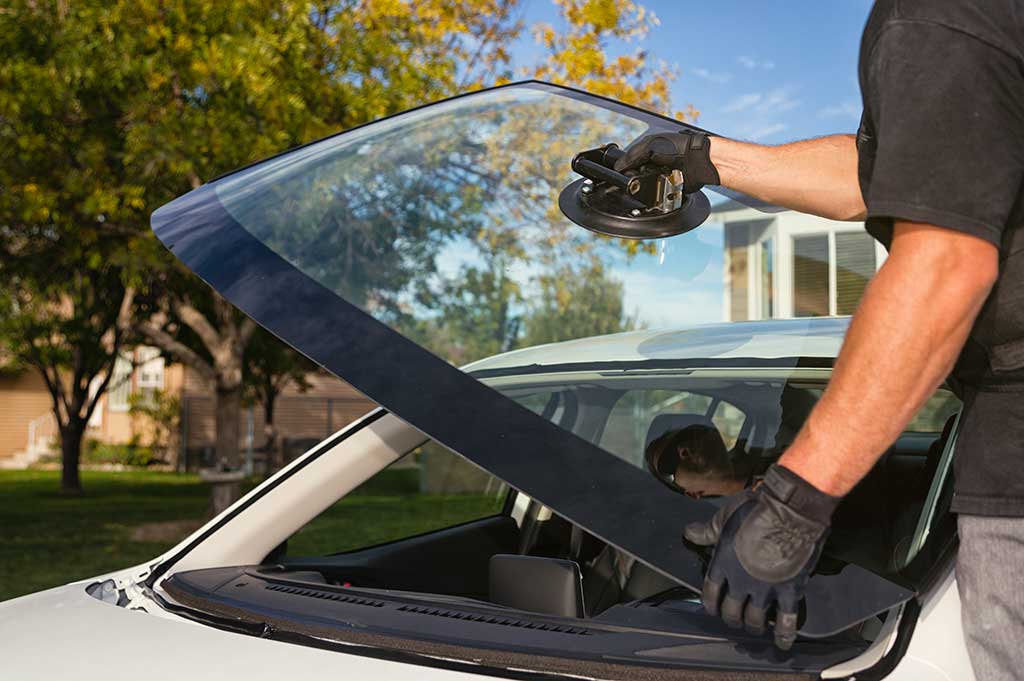
Your car’s windshield and windows do more than just keep the wind out of your face. They protect you from road debris, help maintain the vehicle’s structural integrity, and ensure visibility while driving. When your auto glass sustains damage, it’s not always immediately clear whether you should repair it or go for a full replacement. After all, it’s not just about cost—it’s about safety, durability, and your peace of mind on the road.
So, how can you tell when it’s time to repair or replace your auto glass? Let’s break down the signs and factors that help you make this important decision.
1. Size and Location of the Damage: The Bigger, the Riskier
The size and location of the damage are key factors in determining whether your auto glass can be repaired or needs a full replacement. Here’s how to assess it:
Cracks and Chips
-
Small Chips or Cracks: If the crack or chip is no more than a quarter in size and is not directly in the driver’s line of sight, it can usually be repaired. Many auto glass technicians can fill in small chips and cracks with a resin that hardens and prevents the damage from spreading.
-
Large Cracks: If the crack is longer than 3 inches or significantly impacts the integrity of the windshield, it’s often safer to replace the glass entirely. A crack this size can spread rapidly, especially with temperature fluctuations, making it a greater safety risk.
-
Location Matters: Even a small chip in certain areas of the windshield can be problematic. If the damage is in the driver’s direct line of sight, it can impair visibility and might be too dangerous to repair. In these cases, replacement is usually the best option.
Spiderweb Cracks
Spiderweb cracks or star-shaped cracks are more complicated. If these types of cracks are small, they can often be repaired. However, the bigger the web, the harder it is to fix—especially if it has spread across a wide area of the glass. In these cases, you’re better off replacing the windshield to ensure full safety.
2. Depth of the Damage: Surface vs. Structural
Not all damage to your auto glass is created equal. The depth of the damage plays a significant role in whether it’s repairable or if a replacement is needed.
-
Surface Damage: A chip or crack that’s purely on the surface of the glass can typically be repaired. These don’t affect the overall structure of the windshield, and fixing them is often a quick and cost-effective option.
-
Structural Damage: If the damage is deep enough to affect the strength of the glass or the laminated layers within the windshield, then a replacement is necessary. Deep damage can significantly weaken the windshield, making it more prone to breaking or shattering under stress.
3. Age of the Auto Glass: Older Glass Might Need Replacement
Sometimes, the age of your windshield or windows can play a role in whether you should opt for repair or replacement. Over time, the glass itself can become weakened due to factors like weathering, UV exposure, and general wear and tear. Older windshields are more susceptible to cracks, chips, and other damage.
If your windshield is already old or heavily damaged, it might not be worth the effort to repair small chips. In these cases, replacing the entire windshield ensures that you’re not just dealing with the visible cracks, but also addressing any structural issues the glass may have developed over time.
4. Environmental Factors: Temperature and Humidity
The environment in which you live and drive can also influence whether your auto glass needs Auto Glass Repair Phoenix or replacement. Certain factors, like temperature extremes and humidity, can cause cracks to expand or worsen.
-
Temperature Fluctuations: A small crack can grow rapidly due to temperature changes. If you live in an area where temperatures swing wildly between hot and cold, the crack may worsen quickly, making repair impossible. In these cases, replacing the windshield early on can prevent it from becoming a bigger safety hazard.
-
Humidity: Moisture and humidity can seep into cracks, making them worse. If you live in a region with high humidity, it might be a good idea to replace the windshield rather than repair it, as moisture can compromise the bond between layers of glass.
5. Your Insurance Policy: Coverage and Cost
Before you decide to repair or replace your auto glass, it’s worth checking your insurance policy. Many insurance companies offer glass coverage, which may cover the full cost of the repair or replacement. Some policies offer free or low-cost repairs for small chips and cracks, while others may have a higher deductible for a full windshield replacement.
-
Glass Repair vs. Replacement: Insurance policies often prefer repairs over replacements because they’re cheaper. If your windshield only has minor damage and can be repaired, your insurance may cover the cost entirely (or with a minimal deductible).
-
Cost Consideration: If you need a full replacement, check with your insurance to see if it will cover the cost. If you don’t have coverage or if the damage is extensive, replacing your windshield could end up costing you hundreds of dollars. On the other hand, repairs are usually much cheaper, often in the $50–$100 range, depending on the extent of the damage.
6. The Impact on Your Safety: Don’t Risk It
The most important factor in deciding whether to repair or replace your auto glass is safety. Even if the damage seems minor, any compromise to your windshield’s integrity can lead to dangerous consequences. If the damage is in a location that impairs visibility or has caused significant weakness in the structure of the glass, don’t take chances—opt for a full replacement.
A repaired windshield can be just as strong as an intact one if done correctly, but if you wait too long or have extensive damage, the glass may fail at the worst possible time, putting you and your passengers at risk.
7. The Professional’s Opinion: Trust the Experts
Ultimately, when deciding whether to repair or replace your auto glass, consulting a professional is the best route. A certified auto glass technician can assess the damage and provide an expert opinion on whether the glass can be safely repaired or if replacement is necessary. A professional will also ensure that the repair or replacement is done according to the highest safety standards, so you can drive with peace of mind.
Conclusion: Know When to Repair and When to Replace
It can be tough to know whether your damaged windshield needs a simple repair or a full replacement. However, by considering the size, location, depth, and age of the damage, as well as the environmental factors and your insurance coverage, you can make an informed decision. Above all, never sacrifice safety—if the damage poses a risk to the integrity of your windshield, it’s better to replace it than to take unnecessary chances.
Whether you’re dealing with a small chip or a large crack, always consult a professional auto glass repair service. They can help you decide the best course of action and make sure your vehicle stays safe, secure, and roadworthy. After all, your windshield is more than just glass—it’s a key part of your car’s safety system, so it deserves to be in tip-top shape.