
Top Things to Know Before Renting a Kimono
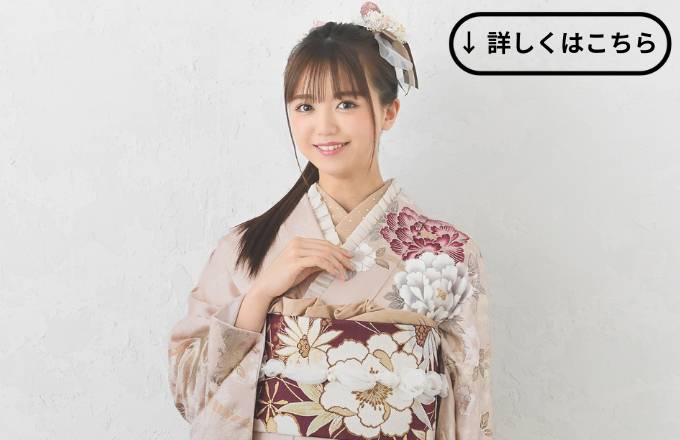
When you decide to rent a kimono, you’re not just picking a beautiful garment – you’re also stepping into a rich cultural tradition. To ensure you make a great impression, it’s crucial to understand the nuances of kimono etiquette and choose the right one for the occasion. From knowing the difference between a kurotomesode and a furisode to mastering the art of wrapping and styling, there’s more to renting a kimono than meets the eye. Get ready to uncover the essentials that’ll take your kimono experience from awkward to elegant.
Understanding Kimono Types and Meanings
As you delve into the world of kimono rentals, it’s essential to understand the significance behind the various types and their meanings.
Kimonos aren’t just beautiful garments; they’re steeped in tradition and cultural significance. For instance, you’ll come across kimonos with different sleeve lengths, which indicate the wearer’s marital status.
Long-sleeved kimonos, known as furisode, are typically worn by unmarried women, while shorter-sleeved kimonos, called kimonos or iromuji, are worn by married women.
You’ll also encounter kimonos with different patterns and designs, which hold specific meanings.
Cherry blossom patterns, for example, symbolize the fleeting nature of life, while wave patterns represent good luck and prosperity.
Some kimonos even feature family crests, known as kamon, which signify the wearer’s family affiliation.
Understanding these nuances won’t only enhance your appreciation for the kimono but also ensure you’re wearing the appropriate attire for the occasion.
Choosing the Right Kimono for You
With 振袖 レンタル types and meanings fresh in your mind, it’s time to focus on finding the perfect kimono for your special occasion.
Consider the event you’re attending and the image you want to project. For example, if you’re going to a traditional tea ceremony, a more subdued, formal kimono would be suitable. If you’re attending a summer festival, a brighter, more vibrant kimono would be fitting.
Think about your personal style and preferences.
Do you like bold patterns or more subtle designs? Are you comfortable with bright colors or do you prefer more muted tones? Do you have a favorite season or motif that you’d like to incorporate into your kimono choice? Answering these questions will help you narrow down your options and find a kimono that truly reflects your personality.
Lastly, consider your body type and the kimono’s fit.
Look for a kimono that flatters your figure and is comfortable to wear. You’ll be wearing it for several hours, so make sure it’s one that makes you feel confident and beautiful. By taking these factors into account, you’ll find a kimono that’s perfect for you and your special occasion.
Kimono Etiquette Essentials to Know
When you put on a kimono, you’re not just wearing a beautiful garment – you’re also taking on a rich cultural heritage.
With that comes certain expectations of behavior and etiquette.
First, always wear your kimono with the left side wrapped over the right. Wearing it the other way is a sign of disrespect, typically reserved for funerals.
Second, make sure your kimono isn’t too tight or too loose. A well-fitted kimono is essential to looking polished and respectful.
Third, be mindful of the occasion. Different kimonos are suitable for different events, so ensure you’re wearing the right one for the occasion.
Fourth, don’t wear your kimono with Western-style shoes. Traditional Japanese footwear, such as zori or geta, are the way to go.
Lastly, be respectful of the kimono itself. Handle it with care, and avoid touching the fabric excessively.
What to Expect at a Rental Shop
You’ll likely find yourself at a rental shop if you’re interested in wearing a kimono for a special occasion or event.
When you arrive, you’ll typically be greeted by a staff member who’ll help you choose a kimono. They’ll ask you about your preferences, such as the occasion, your favorite colors, and your size.
Be prepared to provide this information to ensure you get a kimono that fits and suits your needs.
The staff will then show you a selection of kimonos, and you can try on a few options.
They’ll help you put on the kimono, obi (sash), and any other necessary accessories. Don’t worry if you’re not familiar with how to wear a kimono – the staff will assist you with the process.
Once you’ve chosen a kimono, the staff will help you adjust the fit and make any necessary alterations.
They may also offer additional services, such as hair styling or photography, to complete your kimono experience.
Avoiding Common Kimono Mistakes
Wearing a kimono can be a delicate affair, and one misstep can detract from the overall elegance of the garment.
You’ll want to avoid common mistakes that can make you look like a beginner. First, make sure you’re wearing the right undergarments. You’ll need a kimono-specific undergarment called a “juban” to smooth out your silhouette. Don’t wear a bra, as it’ll show through the kimono.
Next, pay attention to the kimono’s left and right sides. The left side should always be wrapped over the right, never the other way around. You’ll also want to keep the kimono’s hem even, avoiding any sagging or bunching.
Another mistake to avoid is over-accessorizing. Kimono rentals often come with obis and other accessories, so don’t feel the need to add more. Keep your hair simple and understated, too.
Conclusion
You’re now ready to rent a kimono with confidence! Remember, understanding kimono types and meanings, choosing the right one for you, and knowing etiquette essentials will ensure a respectful and stylish experience. When you arrive at the rental shop, staff will guide you through the process, and with a few simple tips on avoiding common mistakes, you’ll be transformed into a kimono-clad pro, ready to take on any occasion in Japan.