Claiming GPU Servers as Capital Assets A Step-by-Step Tax Guide
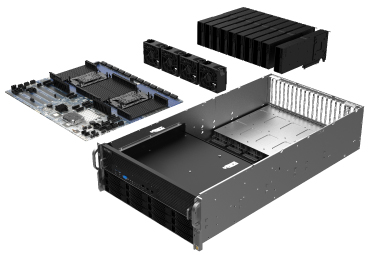
You’ve invested in GPU servers to boost your business’s capital assets, but now it’s time to maximize the tax benefits. To claim these servers as capital assets, you’ll need to navigate the IRS’s specific requirements and deadlines. You’re probably wondering how to determine the asset value and depreciation, not to mention meeting the IRS’s strict record-keeping standards. Don’t worry, you’re about to unlock the keys to accurately calculating and claiming the tax deductions you deserve.
Understanding GPU Server Classification
Your company’s GPU servers are more than just high-performance machines; they’re also capital assets that need to be properly classified and managed.
This classification determines how you’ll track, maintain, and report these assets for tax purposes.
You’ll need to categorize your GPU servers as either tangible or intangible assets.
Tangible assets have physical existence, such as the server itself, whereas intangible assets are non-physical, like software or digital files.
Most GPU servers will fall under tangible assets, but be sure to assess any intangible components, like customized firmware or proprietary algorithms.
Correctly distinguishing between these categories is crucial, as it influences your asset management and reporting strategies.
Determining Asset Value and Depreciation
Having classified your GPU servers as tangible assets, you’re now ready to determine their value and depreciation.
The value of your GPU servers is typically the cost basis, which includes the purchase price, shipping, and any installation or setup fees.
You may also need to consider any additional costs, such as software licenses or maintenance agreements.
Be sure to keep accurate records of these costs, as they’ll be essential for calculating depreciation.
Depreciation represents the decrease in value of your GPU servers over their useful life.
You can use the Modified Accelerated Cost Recovery System (MACRS) to calculate depreciation, which is the most common method for computing depreciation.
MACRS assigns a specific recovery period to your GPU servers based on their classification as three-year, five-year, or seven-year property.
For example, if your GPU servers are classified as three-year property, you’ll depreciate them over 36 months.
You’ll need to determine the depreciation method and recovery period that best suits your business situation, ensuring you’re accurately claiming depreciation expenses on your tax return.
Meeting IRS Requirements and Deadlines
When claiming GPU servers as capital assets, you must fulfill specific IRS requirements and adhere to strict timelines.
This includes maintaining accurate and detailed records of your GPU server purchases, including receipts, invoices, and serial numbers.
You should also keep records of the server’s usage, including the type of work it’s used for, the number of hours it’s in operation, and the date it’s placed in service.
You’ll need to file Form 4562, Depreciation and Amortization, with your GPUサーバー 即時償却 return.
This form requires you to provide detailed information about each asset, including the asset’s cost basis, depreciation method, and recovery period.
Make sure to file your tax return on time, as the IRS imposes penalties for late filing and payment.
Additionally, you may need to file Form 3115, Application for Change in Accounting Method, if you’re changing your depreciation method or recovery period.
Calculating and Claiming Tax Deductions
Calculating and Claiming Tax Deductions
To maximize your tax savings, you need to accurately calculate the depreciation of your GPU servers and claim the deductions accordingly.
The IRS allows you to depreciate GPU servers over a specific period, which is typically five years. You can use the Modified Accelerated Cost Recovery System (MACRS) method, which provides a more aggressive depreciation schedule.
You’ll need to determine the cost basis of your GPU server, which includes the purchase price, shipping, and any additional setup costs.
Then, you’ll apply the depreciation rate to the cost basis, and calculate the depreciation expense for each year.
The depreciation expense is the amount you can claim as a tax deduction.
For example, if your GPU server’s cost basis is $10,000, and the depreciation rate is 20%, your depreciation expense for the first year would be $2,000.
You can claim this amount as a tax deduction, reducing your taxable income and ultimately your tax bill.
Maintaining Accurate Records
To ensure you can claim your GPU servers as capital assets, you’ll need to maintain accurate records that support your depreciation claims.
This includes keeping track of the original purchase price, date of purchase, and the asset’s useful life. You should also keep records of any upgrades or improvements made to the GPU servers, as these can affect the depreciation claim.
You’ll need to keep records of the depreciation claimed each year, including the method used and the calculation.
This will help you track of the accumulated depreciation and ensure you’re not claiming too much. Additionally, you should keep receipts, invoices, and bank statements that support the purchase and maintenance of the GPU servers.
Organize these records in a way that makes it easy to access and review them in case of an audit.
Conclusion
You’ve navigated the complex process of claiming GPU servers as capital assets. By following these steps, you’ve ensured accurate record-keeping, calculated depreciation, and met IRS requirements. Now, claim your tax deductions and reduce your taxable income. Remember to maintain detailed records for future reference. With your GPU servers classified, valued, and depreciated, you’re ready to reap the tax benefits.